IMAX vs Regular Cinema: What the Upgrade Gets You
· 4 min
In short: A bigger, taller picture and a room-tuned sound system are the headline differences, but not every IMAX screen is equal and not every film benefits. Here is how to decide before you book.
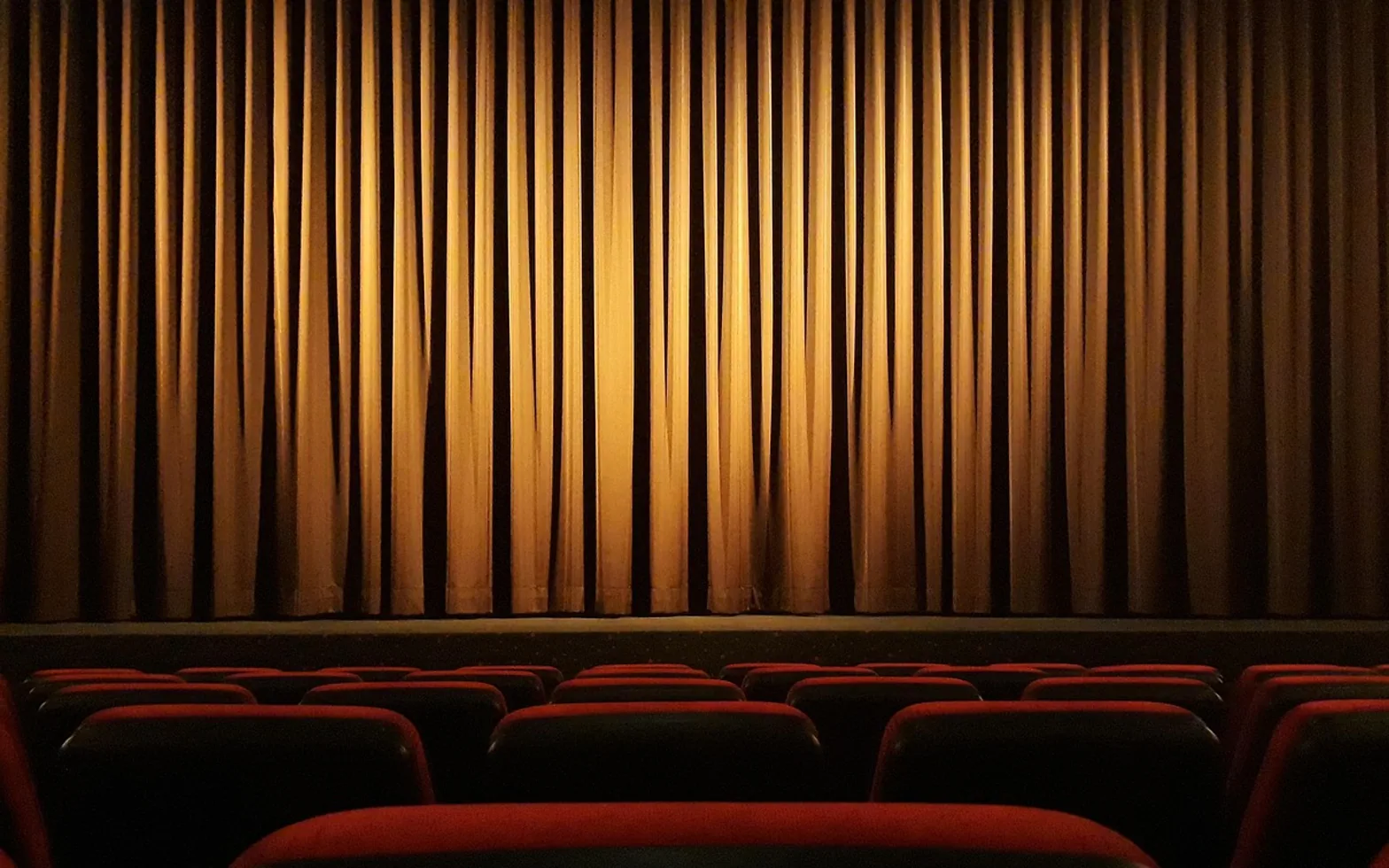
An IMAX screening gives you a bigger and often taller picture, brighter projection, a more powerful sound system tuned to the room and steeper seating that puts the screen across more of your view. A regular screening uses a standard auditorium with a smaller screen and whatever projector and speakers that cinema has installed. The gap is most obvious with films shot or formatted for IMAX; for a quiet drama, a regular screen usually does the job.
What IMAX actually is
IMAX began as a large-format film system. Its original cameras and projectors ran 70mm film sideways through the gate, giving each frame far more area than conventional 35mm, which is why early IMAX venues were known for enormous, almost square screens. Today most IMAX auditoriums are digital, with laser projection in newer or upgraded sites and older digital projectors elsewhere. The brand covers the whole package: screen, projection, sound, room geometry and the processing applied to the film itself.
Screen size and shape
The shape of the picture is one of the clearest differences. Most films are released in one of two standard aspect ratios: a wide 2.39:1 frame or a slightly taller 1.85:1 frame. Some productions also prepare an IMAX version with an expanded aspect ratio, so the image grows taller for selected scenes or for the whole running time.
- 1.43:1 fills the tallest IMAX screens, found in the largest laser and film venues.
- 1.90:1 is the expanded ratio shown on most digital IMAX screens.
- Standard ratios appear in regular auditoriums, where any expanded footage is cropped to fit.
If a film was shot with IMAX-certified cameras, those are the scenes that open up. If it was not, the IMAX version may still look brighter and crisper, but the frame shape will be close to the regular release.
Sound and seating
IMAX sound systems are calibrated to each auditorium and designed for a wide dynamic range, so quiet moments stay clear and loud ones land hard without distortion. Regular screens vary enormously: some are excellent, others run on tired speakers. Seating in IMAX rooms is usually raked more steeply and set closer to the screen, so the picture fills more of your field of vision. Every rustle, footstep and door creak carries further on such a system, which is where Foley sound work really earns its keep.
IMAX, Dolby Cinema and a standard screen side by side
| Regular screen | IMAX | Dolby Cinema | |
|---|---|---|---|
| Screen | Standard size for the room | Large, often taller; expanded ratios for some films | Large, wall-to-wall, standard ratios |
| Picture | Depends on the cinema's projector | Bright laser or digital projection | Dolby Vision high dynamic range with deep blacks |
| Sound | Varies by venue | Proprietary system tuned to the auditorium | Dolby Atmos, including overhead speakers |
| Seats | Varies | Steep rake, closer to the screen | Often large reclining seats |
| Ticket | Standard price | Premium | Premium |
Dolby Cinema tends to shine in dark, high-contrast scenes, while IMAX tends to win on sheer scale and, at the best venues, on the taller frame. Which one feels better depends on the film and on the specific auditorium near you.
Not every IMAX is the same
An IMAX logo does not guarantee a giant screen. Many multiplexes converted an existing auditorium, so the screen is bigger than the room next door but much smaller than a purpose-built venue. Before paying the premium, check:
- whether the venue uses laser projection;
- which aspect ratio the screening will show;
- whether the showing is 2D or 3D, since listings often mix both;
- the seating plan, to see how close the front rows sit to the screen.
When the upgrade is worth it
Paying more makes most sense for large-scale spectacle: space, nature, war epics, big action set pieces and anything advertised as filmed for IMAX. It matters less for dialogue-driven comedies, character dramas and films you mainly want to follow for the story. A special large-format revival of an old favourite can also be a treat. Directors who plan for the format often design those taller shots from the start, framing them panel by panel on a storyboard long before the cameras roll.
Where to sit
In an IMAX auditorium, seats near the middle of a row and slightly behind the centre of the room give the most balanced view; the screen is large enough that the very front rows can feel overwhelming. In a regular screen, the middle third of the room is a safe choice. Booking early helps, as the central blocks go first on opening weekends.
What about at home?
No living room recreates an IMAX auditorium, but some streaming releases include the expanded aspect ratio, so the picture fills more of a widescreen television. A steady connection and a service that carries high-quality streams make a visible difference, and the points in this guide to IPTV for films and live channels apply here too.
Common questions
Is IMAX always 3D?
No. Many IMAX screenings are 2D, and some films are offered in both. Check the listing before booking if you have a preference.
Is IMAX worth it for every film?
Not necessarily. The premium pays off when the film was made with the format in mind; otherwise, a good regular screen with comfortable seats may be the better value.
Is Dolby Cinema better than IMAX?
It depends on the film rather than the logo. Dolby Cinema suits films with lots of night scenes and rich colour, while IMAX suits films with expanded-ratio footage. The quality of your local auditorium often matters more than the brand.
Making it stick
Ways to keep seasonal jobs from piling up
Ideas for turning a long list into a habit that lasts the whole year.
Tie jobs to dates you already know
Changing the clocks or the first school week makes a handy reminder for alarms, filters and descaling.
Keep supplies in one caddy
A single box with gloves, cloths, baking soda and vinegar means no hunting before you start.
Share the list
Pin it inside a cupboard door so everyone at home can tick off a task.
Stop at two
Doing two jobs and stopping keeps the routine pleasant enough to repeat next month.
Got a topic idea?
We read every message.