What Is a Montage in Film? Training Scenes, Time Jumps and Cuts
· 3 min
In short: A boxer runs up the steps, the seasons change outside a window, a room fills with boxes. A montage squeezes weeks into a minute, and the cutting does most of the storytelling.
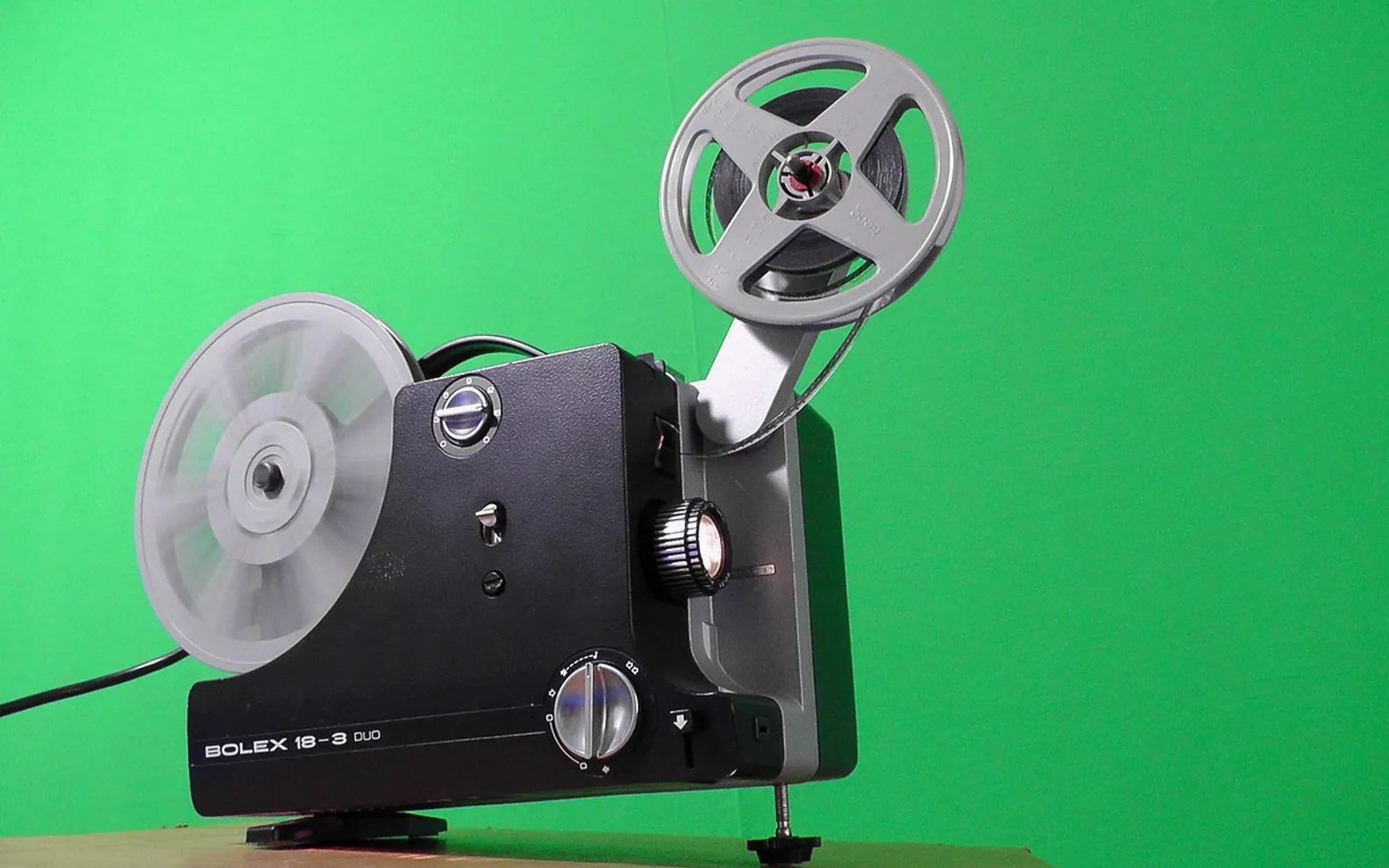
A boxer skips rope in a cold gym. Cut to a dawn run, then to bloodied knuckles, then to the same boxer lifting a weight that defeated him in the first scene. Ninety seconds and one song later, months of training have passed. That is a montage: a sequence of short shots, edited together, that tells part of a story through the cuts themselves rather than through ordinary scenes and dialogue.
What a montage does
Most film scenes play out in something close to real time. A montage breaks that rule on purpose. By stringing together brief moments, it can:
- Compress time, showing a renovation, a romance or a season of football in a minute or two.
- Show change, so the audience sees a character improve, fall apart or grow up.
- Set a mood or place, through a quick run of streets, faces and details before the story begins.
- Link ideas, placing two images side by side so the viewer draws a connection the film never states.
Music usually carries the sequence. Dialogue drops away or is reduced to fragments, and the rhythm of the cuts often follows the beat of the soundtrack.
Where the word comes from
Montage is simply the French word for assembly or editing, and in much of Europe it still means editing in general. In English-speaking film talk it came to mean this particular kind of sequence. The deeper roots lie in Soviet cinema of the 1920s, when filmmakers such as Lev Kuleshov and Sergei Eisenstein argued that meaning comes from how shots are joined, not just from what each shot shows. Kuleshov's well-known experiment cut the same neutral face against different images, and audiences read a different emotion into the face each time.
Common types of montage
| Type | What it shows | Familiar example |
|---|---|---|
| Training or progress | Effort over time, ending in a visible result | The sports film workout sequence |
| Time passing | Seasons, years or a long journey | Calendar pages, changing trees, a growing child |
| Makeover or build | A person, house or project transformed | Paint rollers, boxes, a finished room |
| Memory or flashback | Fragments of the past | Quick, often softer shots before a key decision |
| Parallel or cross-cut | Several storylines moving towards one moment | Characters preparing in different places at once |
Montage and the rest of the toolkit
Because a montage is built from many tiny shots, it is often planned panel by panel, and a storyboard of the sequence helps decide which moments earn a place. Sound matters as much as picture: with dialogue gone, a door closing or a ball hitting a net is often added afterwards, which is the territory of Foley sound effects. Sport has a particular love of the form, and a club's long story of promotions, relegations and cup nights, like the history of RCD Espanyol, is the kind of material that tribute videos turn into montages.
How to cut a simple montage at home
- Pick one idea. A year of a child's birthdays, a garden through the seasons, a room before and after.
- Choose the music first. Its length and tempo decide how many shots fit and where the cuts fall.
- Gather more clips than you need. Two to four seconds per shot is plenty for most sequences.
- Order for change. Arrange the clips so something visibly develops from start to finish.
- Cut on the beat or on movement. A cut that lands with a drum hit or mid-gesture feels smooth.
- End on a payoff. Hold the final shot a little longer so the result can sink in.
Creators use the same structure for channel intros and recap videos, and the wider work of marketing a channel on YouTube picks up once the edit is done.
When a montage falls flat
The form is so familiar that it is easy to overuse. A montage that skips over the part of the story the audience actually cares about feels like a shortcut, and one that runs too long loses its energy. The best ones are short, build towards something, and leave the viewer feeling that time really has passed.
Making it stick
Ways to keep seasonal jobs from piling up
Ideas for turning a long list into a habit that lasts the whole year.
Tie jobs to dates you already know
Changing the clocks or the first school week makes a handy reminder for alarms, filters and descaling.
Keep supplies in one caddy
A single box with gloves, cloths, baking soda and vinegar means no hunting before you start.
Share the list
Pin it inside a cupboard door so everyone at home can tick off a task.
Stop at two
Doing two jobs and stopping keeps the routine pleasant enough to repeat next month.
Got a topic idea?
We read every message.