How to Clean Grout: From a Quick Refresh to a Deep Scrub
· 5 min
In short: Grey grout rarely means the tiles are failing. Most of the time the lines are simply dirty, and a paste, a narrow brush and a little patience bring them back to their original colour.
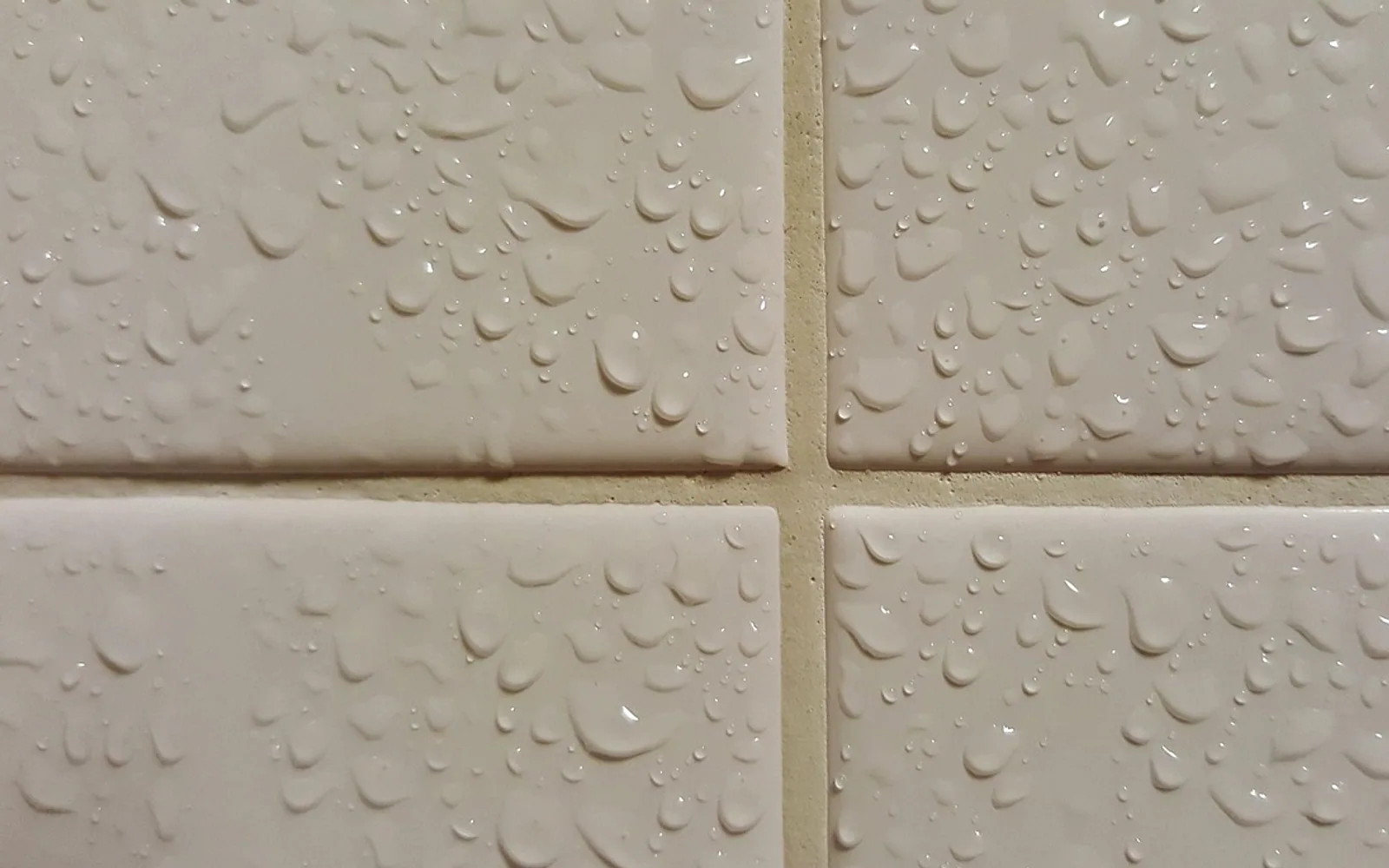
The tiles have been wiped, the floor has been mopped, and the room still looks tired. Run your eye along the lines between the tiles and the reason is usually there: grout that started off pale and has slowly turned grey, brown or speckled. Grout is a porous cement-based filler, so it soaks up mop water, soap residue and cooking grease that a smooth tile surface simply sheds. The colour comes back far more often than people expect, and nothing more exotic than a brush and a few cupboard staples is needed for most of it.
First, work out what you are dealing with
Different marks call for different treatments, and starting gently saves both effort and grout.
| What you see | Likely cause | Where to start |
|---|---|---|
| Even grey film across a floor | Dirt carried in by dirty mop water | Warm water and a stiff brush, then baking soda paste |
| Chalky white crust in the shower | Soap scum and hard-water minerals | Diluted white vinegar on cement grout, then rinse well |
| Black or dark green dots | Mould where water lingers | Oxygen bleach solution, plus better ventilation |
| Orange or pink patches | Bacterial film in damp corners | Baking soda paste and a thorough rinse |
| Cracks, gaps or crumbling lines | Wear or movement, not dirt | Cleaning will not help; regrouting is the fix |
What to gather
- A narrow grout brush, or an old toothbrush for small areas
- Baking soda and a small bowl
- White vinegar in a spray bottle, for cement grout only
- Oxygen bleach powder (sodium percarbonate) for stubborn staining
- A bucket of warm water, a sponge and a few clean cloths
- Rubber gloves and, for a long session on the floor, a folded towel for your knees
Safety and surface checks
Read the label of every product before you begin, and use one at a time. Never mix bleach with vinegar, ammonia or other cleaners, since the combinations can release harmful gases. Open a window or run the extractor fan in a small bathroom. Natural stone such as marble, limestone and travertine is etched by acids, so vinegar and other acidic cleaners stay away from those tiles and their grout. Epoxy grout, common in newer showers, is far less porous and usually needs only a mild detergent. If you are not sure what your tiles are made of, test any method on a small corner first.
The everyday method: baking soda paste
- Clear the surface. Sweep or vacuum floors so loose grit does not turn into sandpaper under the brush.
- Wet the lines. Brush warm water along a section of about a metre square. Sometimes this alone lifts a surprising amount.
- Apply the paste. Mix baking soda with a little water until it is thick enough to stay put, then press it into the lines with a fingertip or the brush.
- Add vinegar on cement grout. A light mist makes the paste fizz, which helps loosen grime. Skip this step on stone or epoxy.
- Wait, then scrub. Give it five to ten minutes, then scrub along each line in short, firm strokes rather than across it.
- Rinse properly. Wipe with clean water, changing it often, until no white haze remains. Residue left behind attracts fresh dirt.
- Dry the floor. A dry cloth finishes the job and shows whether any patches need a second round.
The deep clean: oxygen bleach
For grout that stays dark after a scrub, oxygen bleach is the next step. Dissolve the powder in warm water according to the packet, pour or brush it over the lines and leave it for the time the instructions give, typically somewhere between ten and thirty minutes. Keep the surface wet while it works. Scrub, rinse thoroughly and let the area dry with the window open. Oxygen bleach is generally gentler on coloured grout than chlorine bleach, but a patch test is still sensible on tinted lines.
Chlorine bleach can whiten white grout, yet it can also fade coloured grout, irritate lungs in a closed shower and should never meet other cleaners. Keep it as a last resort, use it diluted exactly as labelled and ventilate well.
What about steam cleaners?
A steam cleaner with a narrow nozzle can loosen grime from sealed ceramic floors without any chemicals, and it suits people who prefer to avoid products. Check the tile and grout manufacturer's advice first, though: steam can loosen very old or damaged grout and is not recommended for every surface.
Shower grout needs its own routine
Shower grout fights a different enemy. It is wet several times a day, warm, and coated in a thin film of soap and shampoo, which is exactly the setting mould enjoys. After cleaning it as above, the bigger gains come from how the shower dries:
- Squeegee the tiles and glass after the last shower of the day.
- Leave the door or curtain open so air can circulate.
- Run the extractor fan for a while after showering, or crack a window.
- Keep bottles in a caddy rather than on the tray, where they trap water.
Water that pools in the tray because the drain is slow keeps the lowest grout lines permanently damp. A blocked or sluggish drain that a plunger does not clear is a job for a plumber, and the points in choosing a reliable commercial plumber apply just as well when hiring for a home.
Sealing keeps it clean for longer
Once the grout is clean and completely dry, usually after a full day, a penetrating grout sealer makes it far less thirsty. Apply it along the lines with the small brush or applicator in the pack and wipe any excess off the tiles before it dries. Cement grout in floors and showers benefits most. How often to reseal depends on the product and how hard the area works, so follow the label; a simple test is to drip a little water on a line and see whether it beads or soaks in.
When cleaning is not enough
Grout that is cracked, missing, crumbling or stained right through will not come back with a brush. Damaged lines also let water reach the wall or floor behind the tiles, which is how small leaks start. Removing and replacing the grout is a manageable job for a careful amateur on a small area; for a whole bathroom, or where tiles move or sound hollow when tapped, the advice in choosing bathroom fitters for a renovation will help you find someone to look at it properly.
Habits that keep the lines pale
- Mop floors with clean water and change it as soon as it turns cloudy.
- Use a pH-neutral floor cleaner for regular washing.
- Wipe kitchen splashes near the hob the same day, before grease settles in.
- Give the shower lines a quick brush once a week while the area is already wet.
Clean grout is also one of the details that gets looked at closely when you hand back the keys on a rented home; what an end of lease clean covers lists the other spots that inspectors tend to check. And if the kitchen is next on the list, the overnight paste method for cleaning an oven with kitchen staples uses the same box of baking soda.
Making it stick
Ways to keep seasonal jobs from piling up
Ideas for turning a long list into a habit that lasts the whole year.
Tie jobs to dates you already know
Changing the clocks or the first school week makes a handy reminder for alarms, filters and descaling.
Keep supplies in one caddy
A single box with gloves, cloths, baking soda and vinegar means no hunting before you start.
Share the list
Pin it inside a cupboard door so everyone at home can tick off a task.
Stop at two
Doing two jobs and stopping keeps the routine pleasant enough to repeat next month.
Got a topic idea?
We read every message.