Choosing the Right Commercial Plumber in Perth: A Clear Path to Reliable Services
· 2 min
In short: For a café, gym, salon or office in Perth, a plumbing fault is rarely just a maintenance issue. A blocked staff toilet or a leaking hot water unit can close part of…
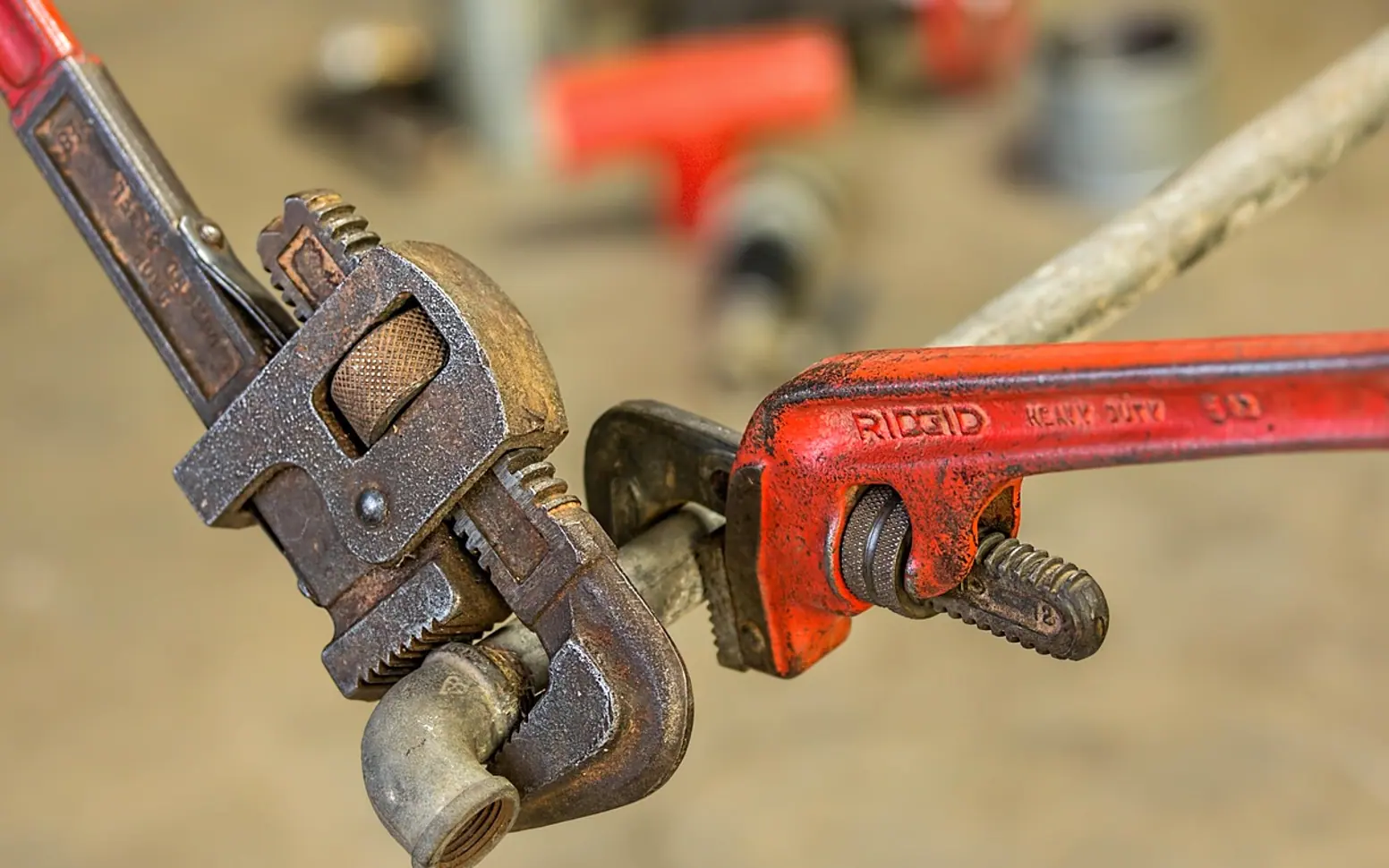
For a café, gym, salon or office in Perth, a plumbing fault is rarely just a maintenance issue. A blocked staff toilet or a leaking hot water unit can close part of the premises, upset customers and eat into a trading day. Picking the right commercial plumber before anything goes wrong is one of those quiet decisions that pays off later.
Why local knowledge counts
Perth has its own mix of older buildings, newer developments and hard water that leaves mineral deposits in pipes and fittings. A plumber who works across the metro area every week will recognise those patterns quickly and know which councils and building managers expect which paperwork. Ask a prospective contractor which kinds of premises they usually look after and whether they have handled sites similar to yours.
Checks to run before signing anything
| What to check | Why it counts |
|---|---|
| Current WA plumbing licence | Confirms the contractor is allowed to carry out regulated work |
| Public liability insurance | Protects your business if something goes wrong on site |
| After-hours availability | Many faults appear outside office hours or on weekends |
| Written quotes and invoices | Makes costs easy to track and compare |
| References from other businesses | Shows how they behave on a working site |
Small problems that grow
Commercial premises tend to accumulate the same minor issues: slow basins, dripping taps, a shower drain in the staff change room that takes longer to clear each week. These are easy to ignore, yet they often point to build-up further down the line. Many owners who run gyms or workplaces with showers keep the number of a team that handles blocked shower drains Perth wide, because clearing a sluggish drain early is quicker and tidier than dealing with an overflow during opening hours.
Grease traps in food businesses deserve the same attention. Regular servicing keeps odours down and reduces the risk of a backed-up kitchen sink at the busiest time of day.
Maintenance plans versus call-outs
Some businesses only call a plumber when something breaks. Others agree a maintenance schedule: periodic inspections of hot water systems, backflow devices, drains and fixtures. The second approach costs a little planning but tends to reduce surprises, and it gives the plumber a clear picture of your site so emergency visits are faster.
When comparing plans, ask what is included, how often visits happen and how urgent jobs are prioritised for contract clients.
Communication on a busy site
A good commercial plumber understands that your doors are open while they work. They should agree access times, keep noise and mess to a minimum around customers and explain clearly what they found and what they recommend. Photos of the problem and a short written summary after each visit make it easy to keep records for landlords or insurers.
Choosing on reliability and clarity rather than on the cheapest hourly rate usually leads to a longer, steadier working relationship, and fewer interrupted trading days.
Making it stick
Ways to keep seasonal jobs from piling up
Ideas for turning a long list into a habit that lasts the whole year.
Tie jobs to dates you already know
Changing the clocks or the first school week makes a handy reminder for alarms, filters and descaling.
Keep supplies in one caddy
A single box with gloves, cloths, baking soda and vinegar means no hunting before you start.
Share the list
Pin it inside a cupboard door so everyone at home can tick off a task.
Stop at two
Doing two jobs and stopping keeps the routine pleasant enough to repeat next month.
Got a topic idea?
We read every message.