How to Turn Off the Water to a House, and Where the Valve Hides
· 5 min
In short: The main water valve is the one fitting everyone at home should be able to find in the dark. Where it usually sits, how to close it, and what to do when it refuses to move.
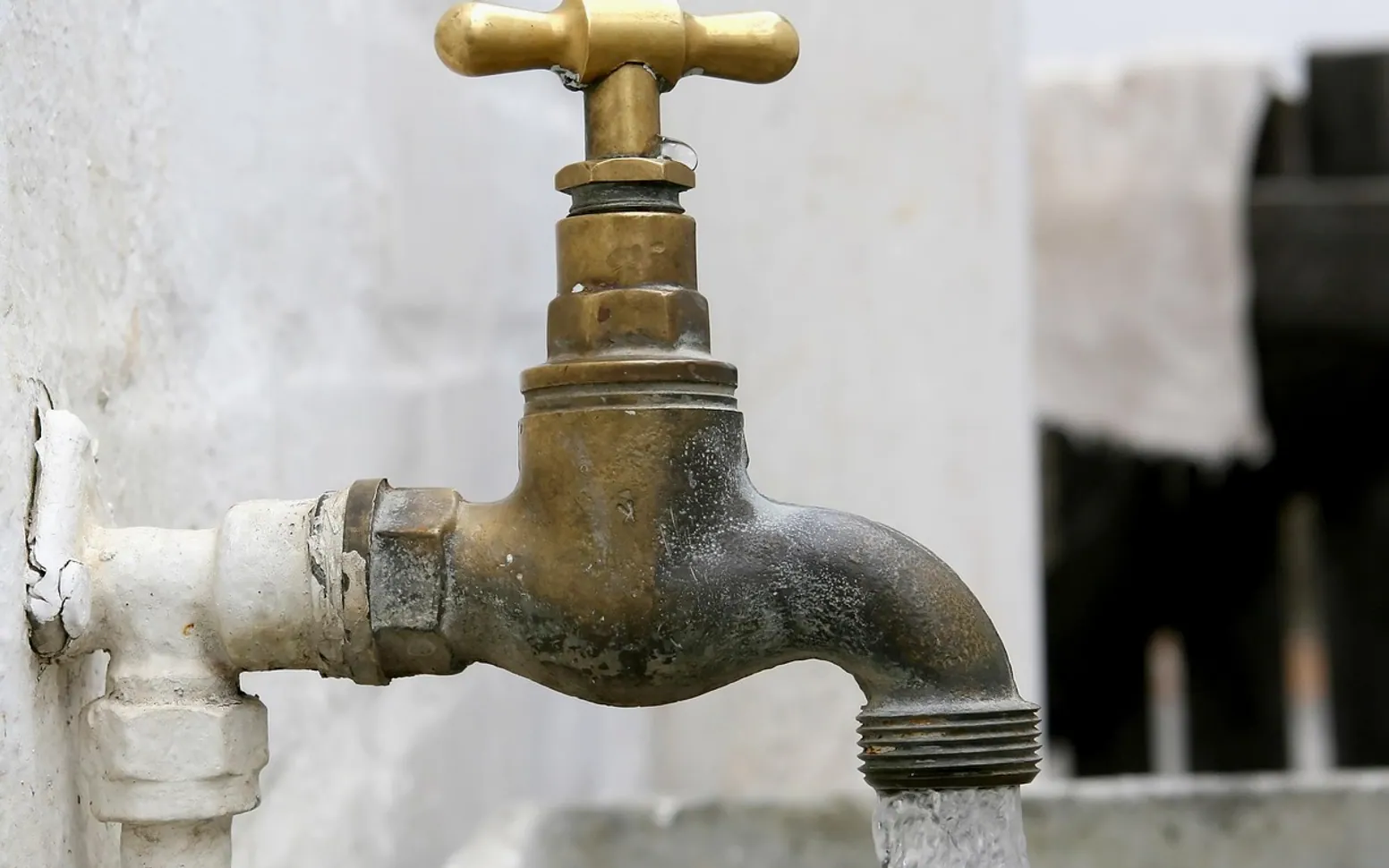
A pipe splits under the sink, water spreads across the kitchen floor, and someone shouts the obvious question: where do we turn it off? In many homes nobody is quite sure. The main shut-off valve, called a stopcock in Britain and Ireland, controls all the cold water coming into the house, and closing it stops a leak from getting worse within seconds. Finding it on a calm afternoon, and checking that it actually turns, is one of the most useful ten-minute jobs in any home.
Where the main valve usually is
Water enters a house through a single supply pipe, and the main valve sits on that pipe, usually soon after it comes through the wall or floor. Common places to look:
- Under the kitchen sink, very often in older houses, near the cold tap's pipework.
- In a utility room, cellar or basement, on the wall that faces the street.
- Beside the water meter, indoors or in a garage.
- In a downstairs cupboard or hallway, sometimes behind a removable panel.
- Near the water heater in homes where the supply runs straight to it.
- In flats, inside the airing cupboard, under the sink or by the front door; occasionally a shared valve sits in a communal area.
Outside the property there is usually a second valve, often under a small metal or plastic cover in the pavement or front garden, near the meter. That one generally belongs to the water supplier and may need a special key. Use the indoor valve whenever you can, and check your supplier's guidance before touching the outdoor one.
If you rent, the landlord or letting agent should be able to tell you where the valve is, and it is worth asking on the day you move in.
How to turn it off, step by step
- Identify the type. A round wheel or tap-style handle is a gate or stop valve. A straight lever is a quarter-turn ball valve.
- Turn clockwise for a wheel. Righty-tighty applies: turn the handle clockwise, looking at it from the front, until it stops. This can take several full turns.
- Swing a lever across the pipe. On a ball valve, the water is on when the lever points along the pipe and off when it sits at a right angle to it.
- Use steady pressure. Turn firmly but do not force it, as old valves can snap.
- Open a cold tap. Run the lowest cold tap in the house. The flow should slow and stop, which drains some of the remaining water from the pipes and confirms the valve has closed.
- Deal with the heating system if needed. If the leak is from hot water pipes, switch off the boiler or water heater as its manual advises, so it does not run empty.
When water is anywhere near sockets, light fittings or appliances, stay away from it and switch off the electricity at the consumer unit or breaker panel only if you can reach it from a dry spot. If you cannot, keep clear and call for help.
Smaller valves for smaller jobs
Not every repair needs the whole house shut off. Isolation valves on the individual pipes let you stop water to one fitting while the rest of the house carries on as normal.
| Fitting | Where its valve usually is | How it looks |
|---|---|---|
| Toilet | On the pipe feeding the cistern, near the floor or wall | Small screw slot or a short lever |
| Basin and kitchen taps | Under the sink, on each supply pipe | Slot to turn with a flat screwdriver |
| Washing machine and dishwasher | Behind the appliance or in the cupboard beside it | Coloured lever, often blue for cold and red for hot |
| Outdoor tap | Inside, on the pipe before it passes through the wall | Small wheel or lever |
A slot-type isolation valve is closed when the slot runs across the pipe and open when it runs along it.
When the valve will not move
Valves that sit untouched for years often seize with limescale. If the main valve refuses to turn:
- Wrap a cloth around the handle for better grip and try again with steady pressure.
- Avoid hammering, standing on pipework or using long levers, which can crack the valve or the pipe.
- In an emergency, use the outside valve if it is accessible and your supplier allows it, or ring the supplier's emergency line.
- Afterwards, ask a plumber to replace or service the stiff valve, so it works the next time it is needed.
A gentle habit prevents most of this. Once or twice a year, turn the main valve fully off and back on again, then leave a wheel-type valve a quarter turn back from fully open, a common tip for keeping it from seizing in place.
A ten-minute household drill
Find the valve, test it, then make sure everyone else can find it too. A luggage tag on the handle, a note inside the nearest cupboard door and a photo saved on each phone all help. Clear away anything stored in front of it, which is often the main reason it takes so long to reach in a hurry. The fuller picture of preparing for a plumbing emergency adds a small kit and a list of numbers to keep alongside.
If a leak has already soaked floors or walls, stopping the water is only the start; how water damage restoration works explains the drying and repair stages that follow. Small, slow leaks deserve attention too. Grout that stays dark in one corner of the shower can be a sign of water getting where it should not, and cleaning grout properly makes those patches easier to spot.
Quick answers
Which way do you turn a water shut-off valve?
A wheel or tap-style handle turns clockwise to close. A lever valve is closed when the lever sits across the pipe.
Does closing the main valve turn off the hot water?
It stops new water entering the system, so hot taps will run dry once the stored hot water and pipes empty. Switch off the boiler or water heater following its manual if you expect the supply to stay off for a while.
Can I turn off the outside valve myself?
That depends on local rules and the supplier. Many ask householders to use the indoor valve and to call them for the outdoor one, so check before you need it.
Making it stick
Ways to keep seasonal jobs from piling up
Ideas for turning a long list into a habit that lasts the whole year.
Tie jobs to dates you already know
Changing the clocks or the first school week makes a handy reminder for alarms, filters and descaling.
Keep supplies in one caddy
A single box with gloves, cloths, baking soda and vinegar means no hunting before you start.
Share the list
Pin it inside a cupboard door so everyone at home can tick off a task.
Stop at two
Doing two jobs and stopping keeps the routine pleasant enough to repeat next month.
Got a topic idea?
We read every message.