The Emergency Playbook: Preparing for and Responding to Plumbing Failures
· 2 min
In short: Water damage spreads fast. A split pipe under a sink or a failed water heater in a loft can soak floors, ceilings and belongings in the time it takes to find a…
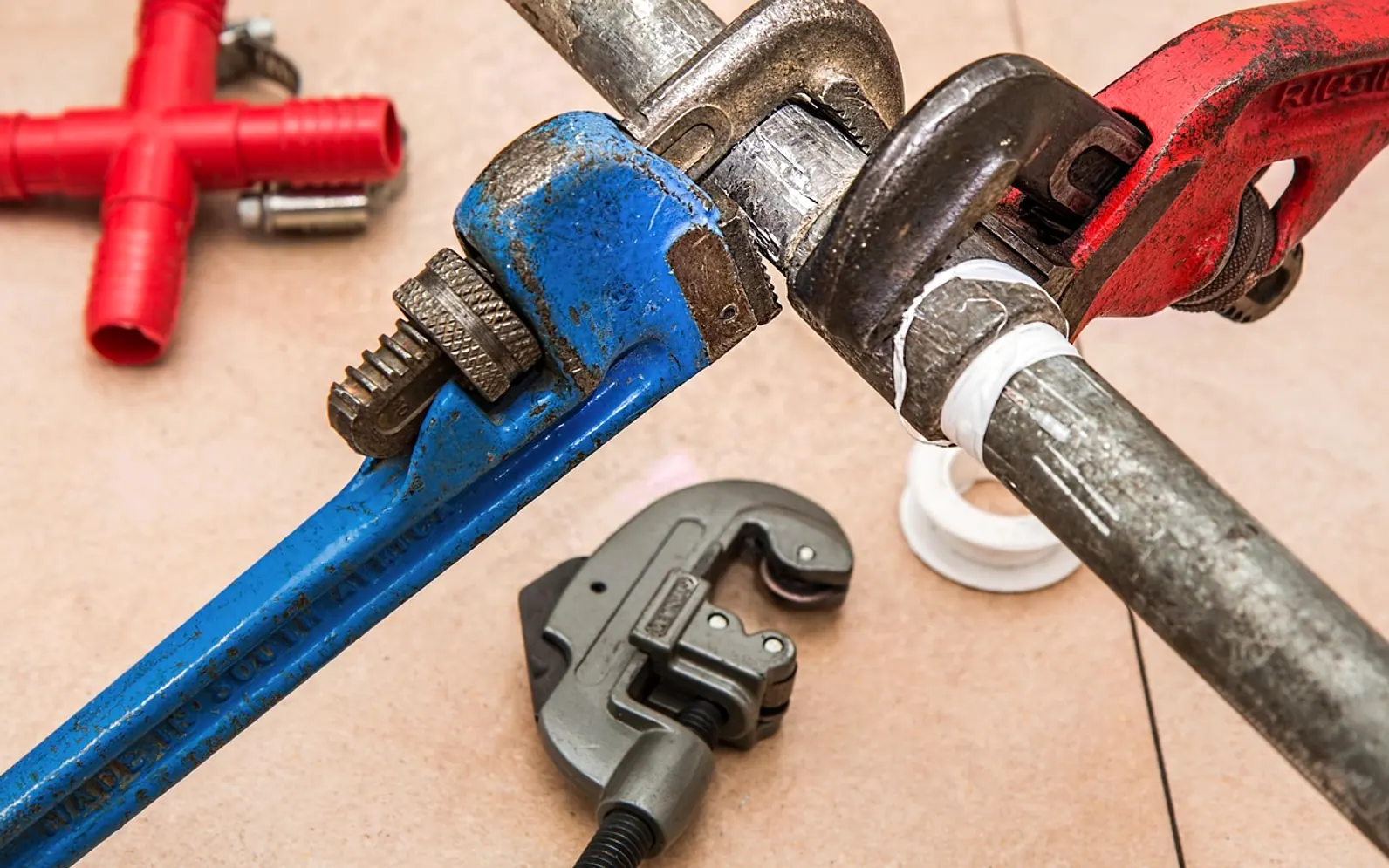
Water damage spreads fast. A split pipe under a sink or a failed water heater in a loft can soak floors, ceilings and belongings in the time it takes to find a torch. The households that come through these moments best are rarely the luckiest; they are the ones that had a simple plan before anything went wrong.
Before: a quiet afternoon of preparation
Most of the useful work happens on an ordinary day. Set aside an hour and go through this list:
- Find the main stopcock. Locate the valve that shuts off water to the whole house, turn it to check it moves freely and make sure everyone at home knows where it is.
- Label smaller valves. Under sinks, behind toilets and near the washing machine there are usually isolation valves. A small tag on each saves precious minutes.
- Check the water heater. Look for rust, damp patches or drips. If it sits above a living space, a drip tray with a leak alarm is a sensible addition.
- Test any sump pump. Pour a bucket of water into the pit and confirm it starts and drains.
- Prepare a kit. Towels, a bucket, a torch, a wrench for the stopcock and the number of a plumber you trust, saved in your phone.
During: the first ten minutes
When water appears where it should not, act in this order. Shut off the supply, either at the nearest isolation valve or at the main stopcock. If water is near sockets or appliances, switch off the electricity at the consumer unit if it is safe to reach; if not, stay clear and call for help. Open taps on the lowest floor to drain remaining water from the pipes. Move valuables, rugs and electronics away from the affected area. Take photos for your insurer before cleaning up.
Calling in a professional
Some fixes are fine as temporary measures, such as a pipe repair clamp or tape on a small split, but the lasting repair is a job for a qualified plumber. A good one will trace the cause, not only the symptom, and explain what failed and why. Homeowners who keep a dependable service in their contacts, such as https://realgoodvalue.com, can get help moving quickly and benefit from a team that handles both urgent call-outs and the preventive checks that stop problems returning.
After: recovery and prevention
Once the water is off and the repair is done, drying out properly matters as much as the fix. Open windows, run fans or a dehumidifier and lift wet carpets so the floor beneath can dry. Watch for musty smells or stains over the following weeks, which can signal hidden damp.
Then use the incident to strengthen the plan. Replace any valve that was stiff. Consider smart leak sensors near the water heater, washing machine and dishwasher; many send an alert to your phone. Insulate pipes in unheated spaces before winter. Book an annual inspection so ageing parts are replaced on your schedule rather than at two in the morning.
A plumbing failure is never welcome, but with valves labelled, a kit ready and a reliable plumber on hand, it becomes a manageable problem instead of a disaster.
Making it stick
Ways to keep seasonal jobs from piling up
Ideas for turning a long list into a habit that lasts the whole year.
Tie jobs to dates you already know
Changing the clocks or the first school week makes a handy reminder for alarms, filters and descaling.
Keep supplies in one caddy
A single box with gloves, cloths, baking soda and vinegar means no hunting before you start.
Share the list
Pin it inside a cupboard door so everyone at home can tick off a task.
Stop at two
Doing two jobs and stopping keeps the routine pleasant enough to repeat next month.
Got a topic idea?
We read every message.