Black-Tie Ready: Formal Dresses with Built-In Shapewear
· 2 min
In short: A black-tie evening is a long test for any outfit. There is the arrival, the drinks reception, a seated dinner, speeches, dancing and a late taxi home. Separate shapewear worn under a…
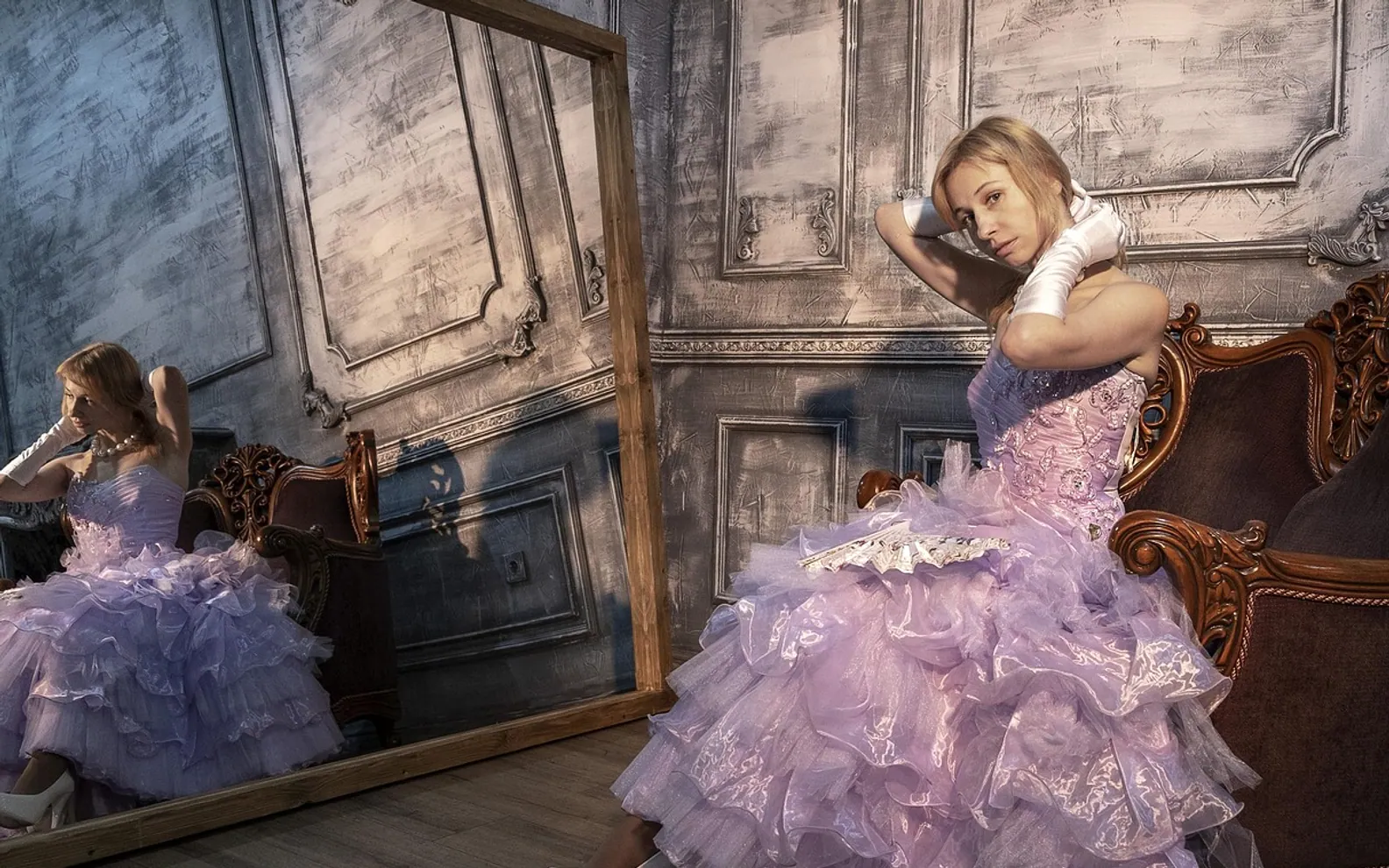
A black-tie evening is a long test for any outfit. There is the arrival, the drinks reception, a seated dinner, speeches, dancing and a late taxi home. Separate shapewear worn under a gown tends to roll, slip or dig in somewhere around the main course. Gowns with the shaping layer sewn into the dress itself take that problem off the table, which is why they have moved from a niche option to a common feature on evening rails.
Inside the dress: the usual building blocks
Designers combine a handful of construction tricks, and knowing them makes shopping easier:
- A boned bodice with flexible spiral or synthetic bones that hold the front upright under heavy satin or crepe.
- Power mesh panels around the waist and back, giving firm but breathable support.
- An attached inner slip or bodysuit anchored at the side seams and waist so it cannot travel.
- Silicone grip tape along the neckline of strapless styles to stop the dress sliding down.
- Bonded or laser-cut edges that leave no ridge through thin outer fabric.
The better pieces spread the hold across large areas instead of concentrating it at one seam, so there is no single pressure point by the end of the night.
A five-minute fitting-room test
- Sit down on a low chair and stay there for a minute. The bodice should not jab into the ribs or fold at the waist.
- Raise both arms as if hugging a friend. A strapless top should stay put without you tugging at it.
- Take a few deep breaths. Firm support is fine; feeling short of breath is not.
- Check the side view in good light for lines at the hips or back.
- Walk a few steps in the shoes you plan to wear, since heel height changes how the hem and skirt fall.
Picking a silhouette for the occasion
Column gowns benefit from a smooth inner layer that keeps the long line unbroken. Mermaid shapes rely on structure at the hips and knees. Ball gowns need a strong bodice to balance a full skirt. Fashion editors covering awards evenings have been charting how formal dresses with built-in shapewear have influenced red-carpet styling, and that coverage is a handy source of ideas when matching a cut to a venue and dress code.
Fabric matters as well. Heavier satins hide inner construction easily, while chiffon and jersey need a very smooth lining to look right.
Looking after the gown afterwards
| Task | Why it helps |
|---|---|
| Air the dress inside out overnight | Lets the mesh and lining dry before storage |
| Hang from inner loops, not the shoulders | Prevents the bodice weight stretching the neckline |
| Follow the care label or use a specialist cleaner | Boning and grip tape can react badly to the wrong method |
| Store in a breathable cover | Keeps dust off without trapping moisture |
Treated this way, a well-made gown can come out again for the next wedding or gala and still feel as secure as it did the first time.
Making it stick
Ways to keep seasonal jobs from piling up
Ideas for turning a long list into a habit that lasts the whole year.
Tie jobs to dates you already know
Changing the clocks or the first school week makes a handy reminder for alarms, filters and descaling.
Keep supplies in one caddy
A single box with gloves, cloths, baking soda and vinegar means no hunting before you start.
Share the list
Pin it inside a cupboard door so everyone at home can tick off a task.
Stop at two
Doing two jobs and stopping keeps the routine pleasant enough to repeat next month.
Got a topic idea?
We read every message.