Travelling to Seoul With a Dog: Paperwork, Stays and Daily Life
· 5 min
In short: Bringing a dog to Seoul takes early paperwork and a little planning, but the city has riverside paths, dog-friendly cafes and stays that welcome pets. Here is what to sort out before and during the trip.
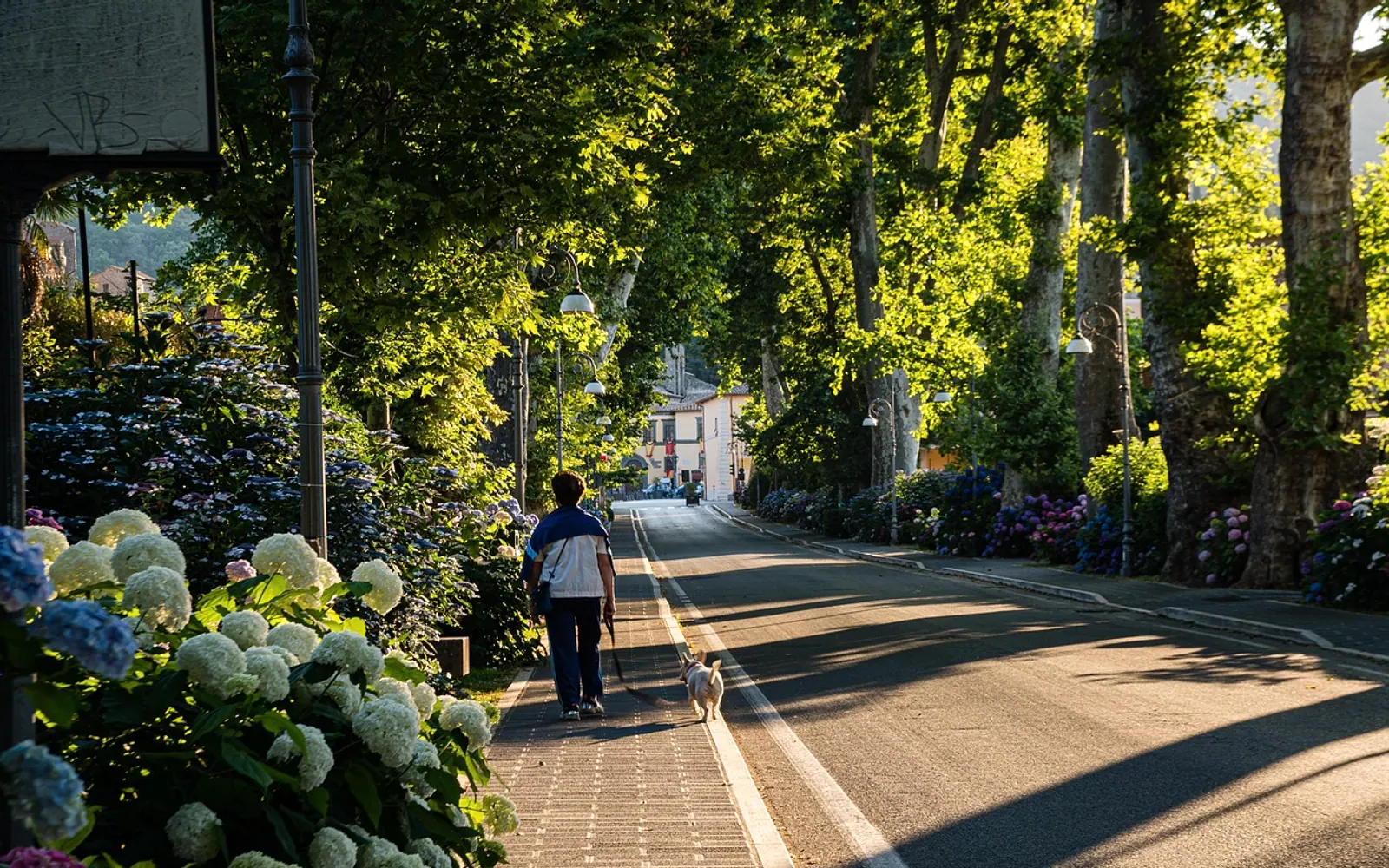
Taking a dog to Seoul is entirely possible, but the work starts months before the flight. Import rules for pets are set by the Korean authorities and the airline, they change from time to time, and missing one document can mean delays or quarantine on arrival. Once the paperwork is done, the city itself is surprisingly welcoming: long riverside paths, plenty of dog-friendly cafes and a growing number of places to stay that accept pets.
Start with the paperwork, and start early
Every country has its own requirements for bringing animals in, and Korea is no exception. In general terms, travellers are usually asked for proof of identification, vaccination and health status, but the exact list depends on where the dog is coming from. Treat the points below as a planning outline, not as the rules themselves.
- Check the official source first. Look up the current import conditions published by Korea's animal and plant quarantine authority, and read them again shortly before departure in case anything has changed.
- Microchip. Most countries expect an internationally readable microchip, implanted before certain vaccinations so the records match.
- Vaccinations and tests. Rabies vaccination is the usual centrepiece, and some departure countries trigger an additional blood test with a waiting period. That wait is the main reason to begin early.
- Health certificate. A vet in your home country normally issues it within a short window before travel, sometimes with an official endorsement on top.
- Airline rules. Carriers set their own limits on cabin and hold travel, crate sizes and breeds. Book the dog's place when you book your own seat.
Your own vet is the person to plan this with. They know what certificates they can issue, how long tests take and whether your dog is fit for such a long trip at all, particularly if it is older, very young or a short-nosed breed that can struggle with heat and stress.
Finding somewhere to stay
Pet-friendly accommodation in Seoul ranges from serviced apartments to guesthouses and some hotels that set aside rooms for guests with animals. Policies vary a great deal, so read the small print rather than relying on a filter on a booking site.
- Is there a weight or size limit? Larger breeds such as retrievers are often the ones that get turned away.
- Is there an extra cleaning fee or a deposit?
- Can the dog be left alone in the room, even briefly?
- Is there green space nearby for early-morning and late-night walks?
Bring familiar bedding from home. A dog that recognises the smell of its own blanket settles faster in a strange room, and a well-made, tidy space helps everyone relax; some of the ideas in our piece on making a bed like a hotel work just as well for arranging a corner for the dog.
Walks, parks and the river
The Han River runs through the middle of Seoul, and its banks are lined with parks, cycle lanes and walking paths that stretch for long distances. They are a natural fit for a dog that needs proper exercise. Many neighbourhoods also have smaller parks and wooded hills with trails. A few habits make these outings smoother:
- Keep the dog on a lead in shared spaces; cyclists move quickly on the river paths.
- Carry bags and water, and clean up without exception.
- Look out for signs: some areas, playgrounds and lawns are off limits to dogs.
- Some districts operate dedicated dog parks with their own registration or entry rules, so check before you go.
Cafes and daily errands
Seoul has a lively culture of pet cafes and dog-friendly coffee shops, and many ordinary cafes with terraces will accept a calm dog outside. Indoors, rules differ from place to place; restaurants in particular may not allow animals. A simple approach is to ask at the door before walking in.
Getting around
Public transport rules for animals vary by operator and can change, so treat this as a general picture. Small dogs travelling in a closed carrier are often permitted on the subway and buses, while larger dogs out of a carrier may not be. Taxi drivers can decline a dog, and app-based pet taxis exist as an alternative. For a big dog, plan routes you can walk or arrange private transport in advance.
Heat, cold and paws
Seoul has hot, humid summers and cold, dry winters. In the warm months, walk early in the morning and late in the evening, test pavement temperature with the back of your hand, and keep water with you at all times. In winter, short-coated dogs may appreciate a jacket, and paws should be wiped after walks where de-icing products have been used. If your dog shows signs of heat stress or seems unwell, contact a local vet promptly; it is worth saving the details of one near your accommodation before you need them.
A night out without the dog
Most travellers want at least one evening for a long dinner or a few hours of singing with friends, and those plans usually work better without the dog. Pet sitters and dog hotels operate across the city, and some accommodation can recommend a trusted local option. Do a short trial visit first so the dog meets the sitter while you are still nearby.
With the dog settled, the evening is yours. Private karaoke rooms, known locally as noraebang, are a common way for friends to spend a few hours, and Korean-language guides under the search term 강남가라오케 give an overview of karaoke spots in Gangnam for planning a group night. Dinner beforehand might be anything from barbecue to raw fish; our look inside a sushi restaurant explains what good guest care looks like if that is your pick. If drinks are part of the evening, keep a clear head and leave the car behind.
Quick answers
Can I just turn up with my dog and sort the papers on arrival?
No. Documents are checked when the dog lands, and gaps can lead to quarantine or refusal. Prepare everything before departure.
Is Seoul suitable for a large dog?
It can be, with more planning: fewer stays accept big breeds, and public transport is harder. Riverside parks make up for a lot.
Who should I ask if I am unsure about a rule?
The official quarantine authority for import questions, your airline for travel conditions, and your vet for anything about your dog's health.
Prepare early, confirm each rule with the people who set it, and the trip becomes less about forms and more about long walks by the river together.
Making it stick
Ways to keep seasonal jobs from piling up
Ideas for turning a long list into a habit that lasts the whole year.
Tie jobs to dates you already know
Changing the clocks or the first school week makes a handy reminder for alarms, filters and descaling.
Keep supplies in one caddy
A single box with gloves, cloths, baking soda and vinegar means no hunting before you start.
Share the list
Pin it inside a cupboard door so everyone at home can tick off a task.
Stop at two
Doing two jobs and stopping keeps the routine pleasant enough to repeat next month.
Got a topic idea?
We read every message.