Inside a Sushi Restaurant: Sourcing, Seasonality, and Guest Care
· 3 min
In short: Sushi looks simple on the plate: a slice of fish, a small mound of rice, perhaps a brush of soy. That simplicity is exactly why the work behind it matters so much.…
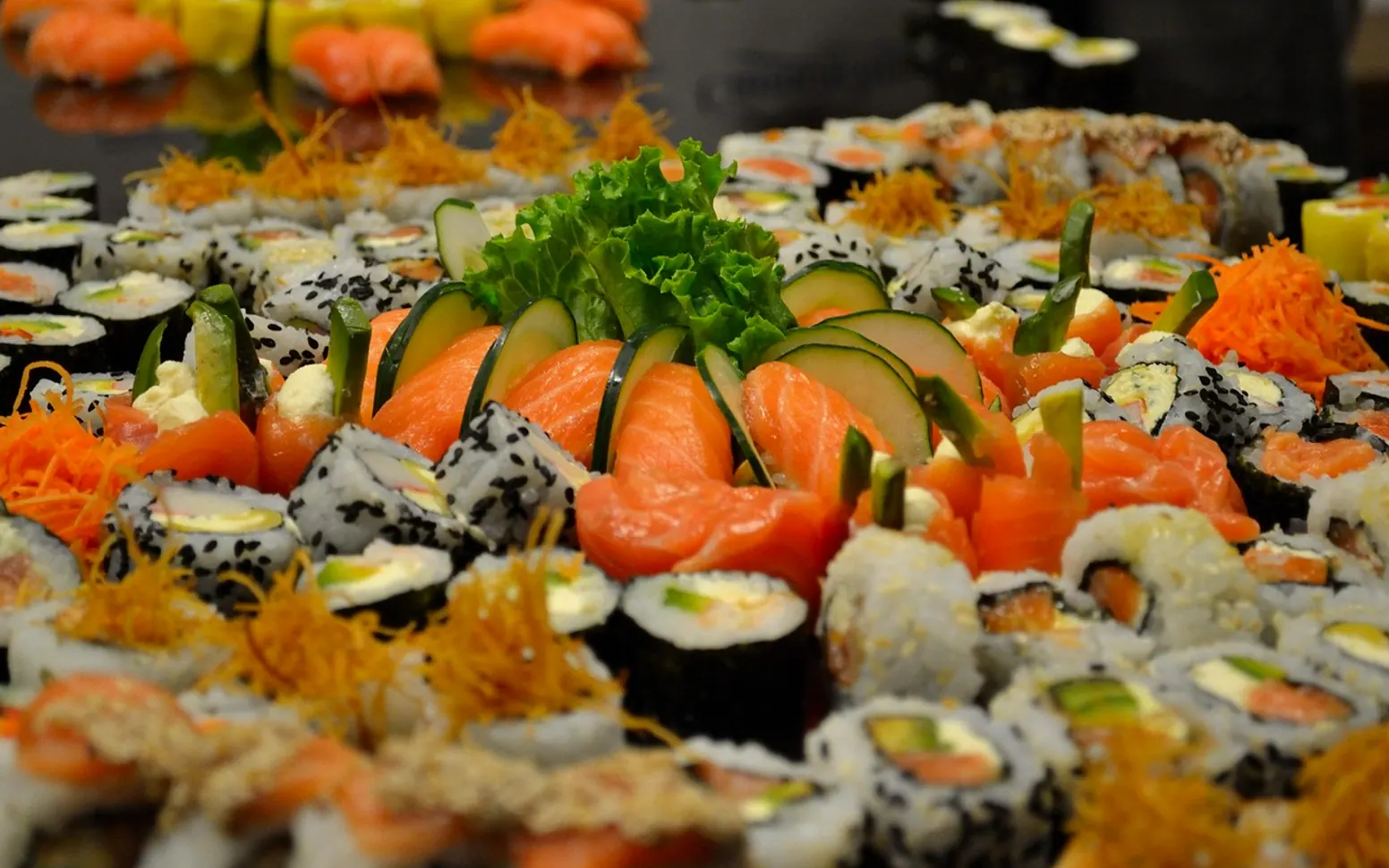
Sushi looks simple on the plate: a slice of fish, a small mound of rice, perhaps a brush of soy. That simplicity is exactly why the work behind it matters so much. There is nowhere for a careless ingredient or a rushed step to hide, so the best counters are run on routines that guests rarely see but can usually sense.
Where the fish comes from
Sourcing starts long before service. Careful kitchens build relationships with a small number of suppliers they trust, ask about how and where fish was caught or farmed, and inspect each delivery rather than accepting it on paper. Some species arrive whole and are broken down in house, which lets the chef judge texture and fat along the entire fish. Others come as prepared loins from specialists. Neither approach is automatically better; what counts is that the kitchen knows the chain and can answer questions about it.
Handling after delivery is just as important. Fish destined to be eaten raw is kept cold, cut with clean tools on dedicated boards and used within a planned window. Many restaurants follow freezing steps for certain species as part of food safety rules, and a good server can explain that without fuss.
Cooking with the calendar
Seasonality gives a sushi menu its rhythm. Certain fish are prized in colder months when they carry more fat, while lighter, leaner varieties shine in warmer weather. Vegetables, citrus and garnishes shift too. A menu that changes through the year, or a short board of daily specials, is often a sign that the kitchen buys what is good rather than what is always available. Diners who enjoy variety can ask what has just come into season and let the chef steer part of the meal.
Rice: the quiet foundation
Regular sushi eaters often say the rice tells them more than the fish. It should be seasoned with a balanced vinegar mix, held close to body temperature and formed so it holds together yet loosens in the mouth. Rice that is cold, mushy or packed tight suggests shortcuts. Watching how often fresh batches appear at the counter is a useful clue.
How guest care shows up
Hospitality at a sushi bar is more than a smile at the door. It includes:
- Asking about allergies and dietary needs before the first course, and keeping shellfish, sesame and gluten in mind.
- Pacing pieces so each one is eaten at its best, rather than letting plates pile up.
- Explaining unfamiliar items in plain words and suggesting whether soy sauce is needed.
- Offering cooked or vegetable options for guests who prefer not to eat raw fish.
Those habits make a first visit relaxed instead of intimidating. In Arizona's capital, a downtown Phoenix restaurant that puts this kind of attention into sourcing, rice and service can turn an ordinary dinner into a meal people plan to repeat.
Reading a restaurant as a guest
A tidy counter, sharp knives, calm movement during busy periods and staff who answer questions confidently all point in the right direction. None of them is proof on its own, but together they describe a kitchen that respects both the ingredients and the people eating them. Sitting at the counter, where the chef can see reactions and adjust, is often the best way to experience that care up close.
Making it stick
Ways to keep seasonal jobs from piling up
Ideas for turning a long list into a habit that lasts the whole year.
Tie jobs to dates you already know
Changing the clocks or the first school week makes a handy reminder for alarms, filters and descaling.
Keep supplies in one caddy
A single box with gloves, cloths, baking soda and vinegar means no hunting before you start.
Share the list
Pin it inside a cupboard door so everyone at home can tick off a task.
Stop at two
Doing two jobs and stopping keeps the routine pleasant enough to repeat next month.
Got a topic idea?
We read every message.