Spanish Lawyer: How Local Expertise Protects Property, Family, and Business Interests
· Revised · 2 min
In short: Spain attracts many people from abroad: holiday-home owners, retirees, remote workers and entrepreneurs. Many of them assume that a contract or a property purchase will work much as it does at home.…
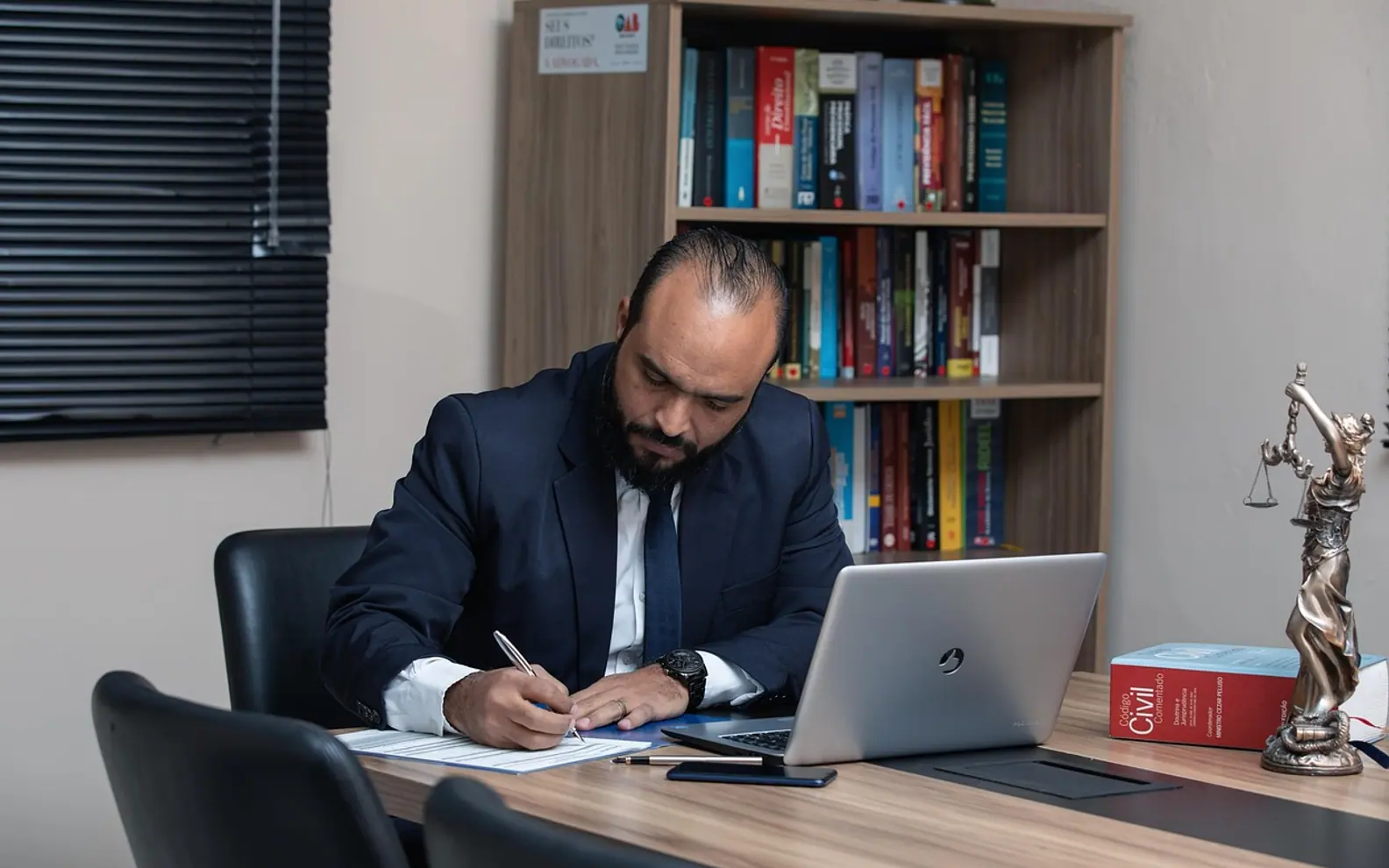
Spain attracts many people from abroad: holiday-home owners, retirees, remote workers and entrepreneurs. Many of them assume that a contract or a property purchase will work much as it does at home. In practice, Spanish law has its own procedures, registries and deadlines, and small misunderstandings can become expensive. This is where a lawyer with local knowledge earns their place.
A general note first: this article is an overview, not legal advice. Every situation is different, and any decision deserves a conversation with a qualified adviser who has reviewed your own documents.
Buying property
A property purchase in Spain involves more than agreeing a price. A local lawyer typically checks:
- The Land Registry entry, showing the registered owner and any mortgage or other charge recorded against it
- Municipal planning records, to see whether extensions, pools or outbuildings are properly authorised
- Community of owners' accounts, for unpaid fees or planned works
- Tax and utility payments, so debts do not pass to the buyer
They also help with practical steps such as obtaining a foreigner's identification number, opening a bank account and preparing for the signing before a notary. If problems appear, the lawyer can negotiate corrections or add protective conditions to the contract before any money changes hands.
Family matters across borders
Families with ties to more than one country face extra questions. Which country's law applies to a divorce or to a will? How is property in Spain inherited when the owner lived elsewhere? European rules allow people in many cases to choose which national law governs their succession, but the choice must be made correctly and recorded in the right form. A lawyer familiar with both Spanish procedures and international elements can draft wills, explain inheritance taxes, which vary by region, and guide heirs through the paperwork.
Running a business
Opening a company, signing a commercial lease or hiring staff in Spain each come with local formalities. Corporate structures, employment contracts and licences differ from those in other countries, and regional rules add another layer. Early legal input helps set things up correctly, which is usually cheaper than fixing them later.
Language and trust
Understanding every clause matters, and that is much easier in your own language. Dutch and Belgian clients, for example, often look for a Spaanse advocaat who can explain Spanish procedures in Dutch, so that contracts, deadlines and options are clear before anything is signed.
Questions to ask before hiring
- Which areas of law do you handle most often?
- How are fees calculated, and what is included?
- Who will be my main contact, and in which language?
- What documents should I gather before we start?
- What are the likely timeframes for my matter?
Clear answers to those questions are a good sign. Spain rewards people who prepare carefully, and getting professional advice early is the simplest way to protect a home, a family or a business.
Making it stick
Ways to keep seasonal jobs from piling up
Ideas for turning a long list into a habit that lasts the whole year.
Tie jobs to dates you already know
Changing the clocks or the first school week makes a handy reminder for alarms, filters and descaling.
Keep supplies in one caddy
A single box with gloves, cloths, baking soda and vinegar means no hunting before you start.
Share the list
Pin it inside a cupboard door so everyone at home can tick off a task.
Stop at two
Doing two jobs and stopping keeps the routine pleasant enough to repeat next month.
Got a topic idea?
We read every message.