Design Meets Data: How Online Flower Delivery Shops Personalize Every Bouquet
· 2 min
In short: Behind the tidy grid of bouquets on a florist's website sits a surprising amount of thinking. Somebody has decided which arrangements appear first for a birthday, which ones are hidden in summer…
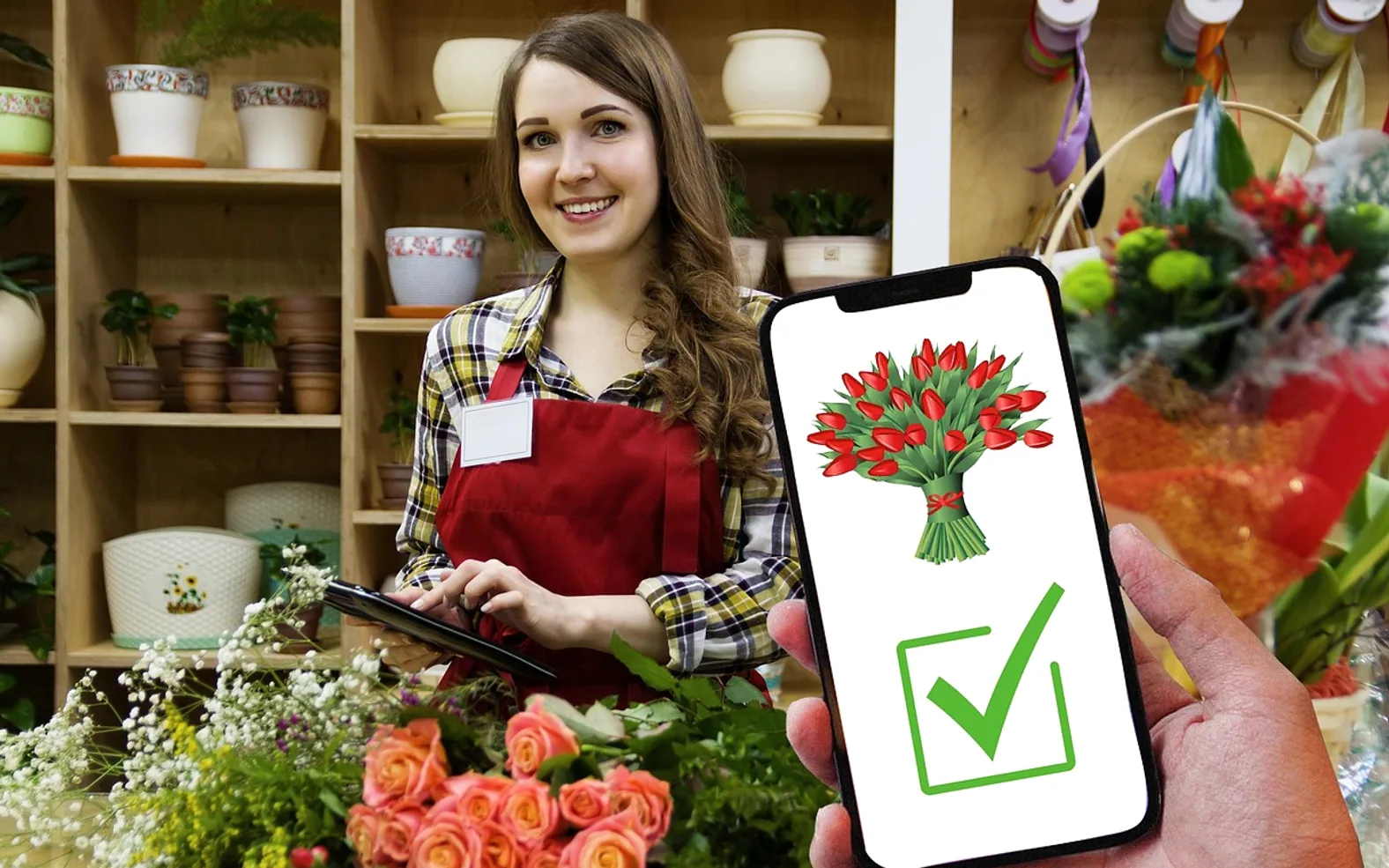
Behind the tidy grid of bouquets on a florist's website sits a surprising amount of thinking. Somebody has decided which arrangements appear first for a birthday, which ones are hidden in summer when certain stems are scarce, and how to describe a bunch of tulips so that a nervous first-time sender feels confident. Good online flower shops treat that process as a blend of floristry and gentle data work.
Starting from the reason, not the flower
Most people do not arrive wanting a specific stem. They arrive with a reason: a new baby, a get-well message, an anniversary, a thank-you to a neighbour. That is why the strongest shop layouts lead with occasions. Once the reason is known, the selection can be narrowed by tone. Sympathy calls for softer whites and greens; a celebration can take bolder oranges and pinks; a romantic gesture often leans on deep reds or blush shades.
A few short questions at the start, such as preferred colours, modern or classic style and whether the recipient already has a vase, can shrink a catalogue of dozens of options to a handful that genuinely fit.
What the shop learns from browsing
Online florists pay attention to the signals shoppers leave behind: which photos get enlarged, which filters are used most, which bouquets are added to the basket and then removed. Patterns like these help a shop decide what to put on the front page next week, which sizes to offer and when a seasonal line should go live. The goal is simply to show each visitor fewer, better choices.
Photos and words that set expectations
- Scale shots. An arrangement pictured on a side table or next to a book shows its real size.
- Multiple angles. Side and top views give a fair idea of fullness.
- Plain-language captions. Naming the main flowers and noting possible seasonal swaps avoids disappointment.
- Care notes. A line about trimming stems and changing water helps the bouquet last.
Where the florist's skill still matters most
No amount of clever filtering replaces the person at the workbench. Choosing stems that open at the right pace, balancing texture and wrapping a bouquet so it survives a delivery van are craft skills. A well-regarded flower shop uses its website to capture what the customer wants, then lets experienced florists turn that brief into an arrangement that feels personal rather than mass-produced.
Getting a better result as a sender
A few habits help:
- Order a day or two ahead for busy dates, when delivery slots fill fast.
- Use the message field properly; a short handwritten-style note means a lot.
- Mention allergies or pets in the household, since some flowers are better avoided around cats.
- Choose seasonal stems where possible; they tend to look fresher and last longer.
Combine a clear brief with a shop that listens, and the bouquet that arrives on the doorstep should look very much like the one you had in mind.
Making it stick
Ways to keep seasonal jobs from piling up
Ideas for turning a long list into a habit that lasts the whole year.
Tie jobs to dates you already know
Changing the clocks or the first school week makes a handy reminder for alarms, filters and descaling.
Keep supplies in one caddy
A single box with gloves, cloths, baking soda and vinegar means no hunting before you start.
Share the list
Pin it inside a cupboard door so everyone at home can tick off a task.
Stop at two
Doing two jobs and stopping keeps the routine pleasant enough to repeat next month.
Got a topic idea?
We read every message.