How to Water Succulents: The Soak-and-Dry Method
· 4 min
In short: Succulents rarely die of neglect. They die of kindness, usually in the form of small, frequent drinks. Deep watering followed by a proper dry spell is the rhythm they are built for.
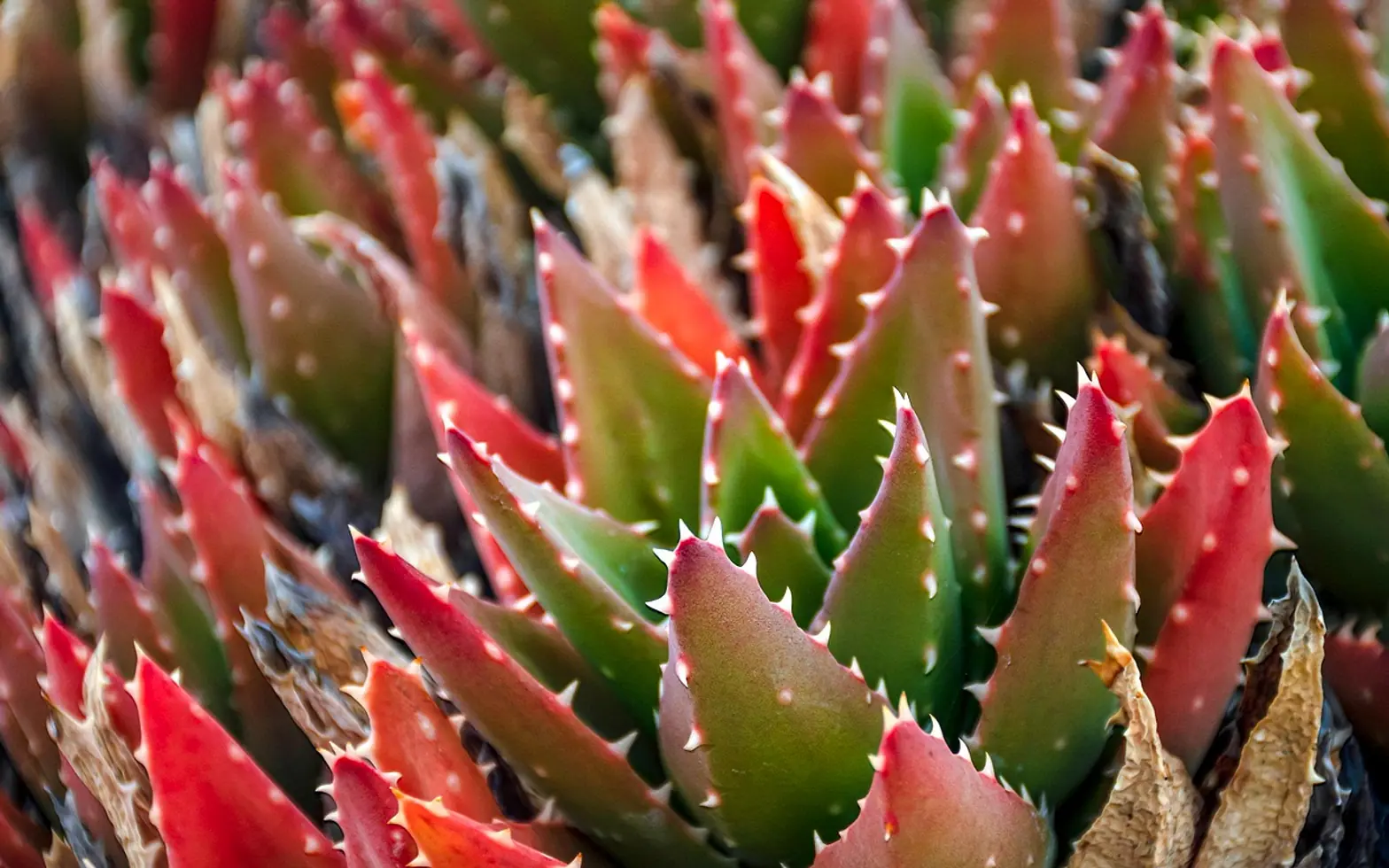
Water succulents deeply, then leave them alone. Pour water over the soil until it runs out of the drainage holes, let the pot drain completely, and do not water again until the mix is dry all the way through. That simple rhythm, usually called soak and dry, suits nearly every succulent kept indoors. How often it works out depends on light, temperature, pot and season, so the soil is a better guide than the calendar.
Why succulents need a different approach
Succulents store water in thick leaves, stems or roots, a trait that lets them ride out dry spells in their natural habitats. Their roots are built to drink quickly when rain arrives and then rest. Small, frequent sips keep the top of the soil damp while leaving the lower roots either dry or, in a pot without drainage, sitting in stale water. Both lead to weak growth, and the second is the most common way indoor succulents are lost.
The soak-and-dry method, step by step
- Check the soil first. Push a finger or a wooden skewer a few centimetres into the mix. If any moisture or soil clings to it, wait.
- Water slowly and evenly. Pour around the base of the plant rather than into the rosette, until water drains from the bottom.
- Let it drain. Leave the pot in the sink or on a rack for several minutes. Empty saucers and outer pots so no water sits around the roots.
- Return it to the light. Bright light helps the mix dry evenly before the next round.
- Wait for full dryness. Lift the pot now and then; a dry pot feels noticeably lighter than a freshly watered one.
Bottom watering works too. Stand the pot in a shallow tray of water for fifteen to thirty minutes until the surface darkens, then lift it out and let it drain. It is handy for plants with tight rosettes, where water poured from above tends to collect between the leaves.
How often to water succulents
There is no universal interval, but the patterns below help set expectations. Treat them as a starting point and adjust to what the soil tells you.
| Situation | Typical rhythm |
|---|---|
| Spring and summer, bright window, warm room | Roughly every one to two weeks |
| Autumn, shorter days | Gradually lengthen the gaps |
| Winter, cool room, low light | Every three to four weeks, sometimes less |
| Small terracotta pot | Dries faster, so check more often |
| Large glazed or plastic pot | Holds moisture longer, so check less often |
A few succulents, such as aeoniums, do most of their growing in the cooler months and rest through summer heat. If a plant looks dormant, it needs less water whatever the season.
Overwatered or thirsty?
| Overwatered | Underwatered |
|---|---|
| Leaves soft, translucent or mushy | Leaves wrinkled, thin or deflated |
| Yellowing or blackening near the base | Lower leaves crisp and papery |
| Leaves dropping at the lightest touch | Stem firm at the base but shrivelled above |
| Soil stays wet for days and may smell sour | Soil pulls away from the edges of the pot |
Thirst is easy to fix with a thorough soak; the leaves usually plump up again within a few days. Rot is harder. Unpot the plant, cut away soft or dark tissue with a clean blade, let the cut surfaces dry for a few days and replant in fresh, dry mix.
Caring for succulents indoors
Light and drainage do as much as the watering can. Most succulents want several hours of bright light, ideally from the sunniest window in the house; stretched, pale growth leaning towards the glass means they need more. A small grow light is a useful fallback in dim rooms. The window itself affects warmth as well: modern coated glazing, covered in this piece on high-performance windows, keeps sills milder, while old single panes can turn cold enough on winter nights to chill a plant pressed against them.
- Pots: always with drainage holes; terracotta helps the mix dry out.
- Mix: a gritty cactus and succulent blend, or regular potting mix opened up with plenty of pumice or perlite.
- Top dressing: a thin layer of grit looks tidy, but brush it aside when checking moisture.
- Feeding: a diluted fertiliser now and then during active growth, and none while the plant rests.
Mistakes to avoid
- Misting the leaves instead of watering the soil.
- Planting in glass jars or pots with no drainage.
- Watering on a fixed weekday regardless of conditions.
- Leaving water standing in the saucer or in a decorative outer pot.
- Watering right after handling damaged roots; a few dry days let cuts seal first.
When a plant outgrows its container, the steps in how to repot a plant apply, with one change for succulents: use dry mix and hold off watering for a few days afterwards.
Quick questions
Is tap water fine?
Usually, yes. In hard-water areas a white crust can build up on the soil and pot; rainwater or filtered water avoids it, and flushing the pot thoroughly from time to time helps.
Should a new succulent be watered the day it comes home?
Check the soil first. Garden centres often water on a set schedule, so the mix may already be moist.
Do succulents in a bathroom need less water?
Often they do, because humid air slows drying. Bathrooms also tend to be dim, which most succulents dislike more than they enjoy the moisture.
Making it stick
Ways to keep seasonal jobs from piling up
Ideas for turning a long list into a habit that lasts the whole year.
Tie jobs to dates you already know
Changing the clocks or the first school week makes a handy reminder for alarms, filters and descaling.
Keep supplies in one caddy
A single box with gloves, cloths, baking soda and vinegar means no hunting before you start.
Share the list
Pin it inside a cupboard door so everyone at home can tick off a task.
Stop at two
Doing two jobs and stopping keeps the routine pleasant enough to repeat next month.
Got a topic idea?
We read every message.