Elevating Event Dynamics: The Strategy of Cocktail Table Height Selection
· 2 min
In short: Guests rarely remember the furniture at an event, but they always remember how the evening felt. Were people chatting easily or stuck in corners? Could older relatives rest without feeling left out?…
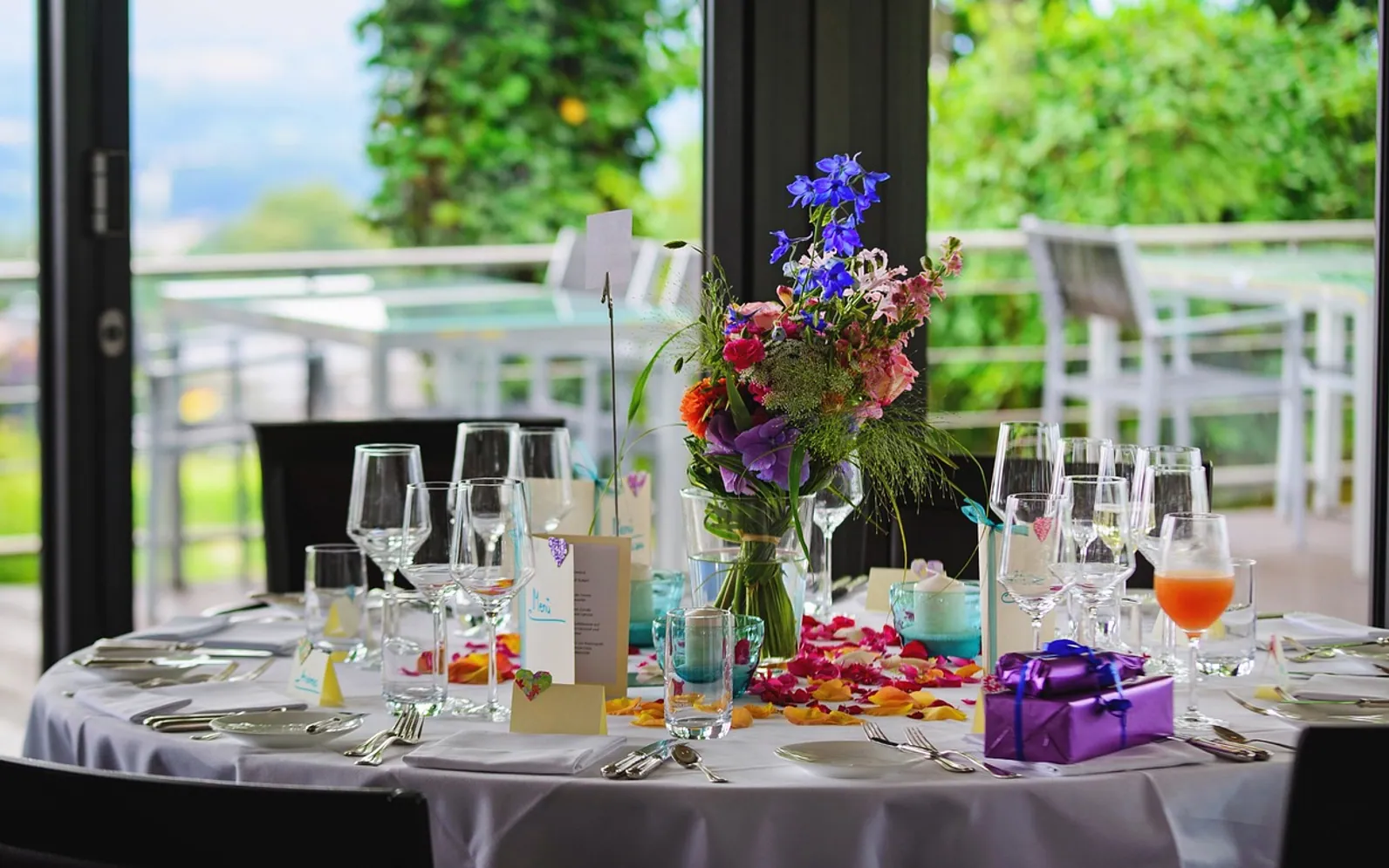
Guests rarely remember the furniture at an event, but they always remember how the evening felt. Were people chatting easily or stuck in corners? Could older relatives rest without feeling left out? Table height plays a bigger part in those impressions than most hosts expect, and it is one of the easiest variables to get right.
The two main options
Most cocktail tables fall into two broad groups. Standard dining-height tables pair with ordinary chairs and invite people to sit and settle. Taller bar-height tables are designed for standing, sometimes with high stools, and keep guests on their feet and moving. Neither is better in general; each suits a different kind of gathering.
Matching height to the type of event
| Event style | Height that usually works | Why |
|---|---|---|
| Networking reception or launch | Mostly bar height | Encourages circulation and short conversations |
| Wedding drinks hour | Mix of both | Lets guests rest between photos and greetings |
| Long dinner party | Seated height | Comfort matters over several hours |
| Garden or terrace party | Mostly bar height with a seated corner | Keeps the space open while offering a place to sit |
Thinking about who is coming
The guest list should influence the plan. A crowd of colleagues at an after-work reception will happily stand for an hour. A family celebration with grandparents, young children or guests with limited mobility needs plenty of seated spots. A useful rule of thumb is to provide some seating at every event, even standing-focused ones, so nobody has to ask for a chair.
Flow, sightlines and service
Tall tables are easier to see over the crowd, so they double as meeting points. Placing them along natural walkways keeps people drifting between groups. Seated tables work best a little away from the bar and the door, where conversations will not be interrupted every few seconds. Leave enough space between tables for staff carrying trays, and make sure the route to the bathrooms is clear.
Height also changes how food is served. Standing guests prefer one-bite canapés; seated guests can manage small plates with cutlery.
A simple planning sequence
- Decide the mood: lively and mixing, or relaxed and settled.
- Estimate how many guests will want to sit at any one time.
- Sketch the room with the bar, entrance and any stage or speech area.
- Place tall tables along the flow and seated clusters in quieter zones.
- Confirm linens, so cloths reach the right length for each height.
Hiring rather than buying makes it easy to try a mix, and a dependable cocktail table rental supplier can advise on quantities, deliver matching linens and set everything up before the first guest walks in. Get the heights right and the room quietly does part of the hosting for you.
Making it stick
Ways to keep seasonal jobs from piling up
Ideas for turning a long list into a habit that lasts the whole year.
Tie jobs to dates you already know
Changing the clocks or the first school week makes a handy reminder for alarms, filters and descaling.
Keep supplies in one caddy
A single box with gloves, cloths, baking soda and vinegar means no hunting before you start.
Share the list
Pin it inside a cupboard door so everyone at home can tick off a task.
Stop at two
Doing two jobs and stopping keeps the routine pleasant enough to repeat next month.
Got a topic idea?
We read every message.