Why IPTV Has Become a Popular Choice in France
· Revised · 2 min
In short: Ask around in France about how people watch television now and the answers vary enormously. A retired couple in Bordeaux still enjoys the evening news at a fixed hour, while their grandchildren…
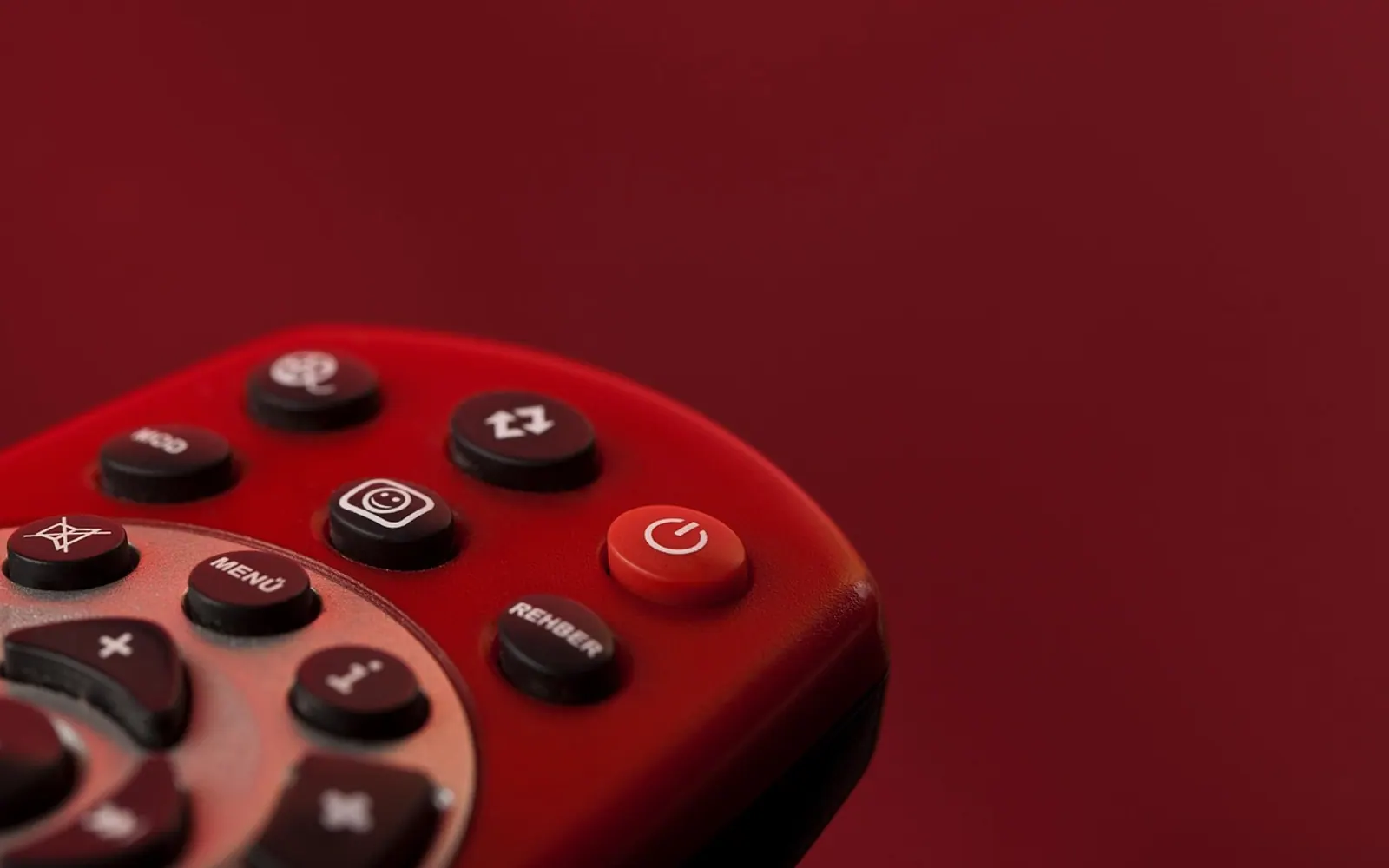
Ask around in France about how people watch television now and the answers vary enormously. A retired couple in Bordeaux still enjoys the evening news at a fixed hour, while their grandchildren in Lille have not touched a traditional channel menu in years. Between those extremes, internet-delivered television has become a common choice. The easiest way to see why is to look at the kinds of viewers who are adopting it and what each of them values.
Four viewers, four motivations
| Viewer | What they want | Why internet TV fits |
|---|---|---|
| The film lover | Classic and recent cinema, original versions | Searchable libraries and subtitles in several languages |
| The sports fan | Live matches and highlights | Live channels plus replays on any screen |
| The family with roots abroad | Channels from home countries | International line-ups in the same guide as French channels |
| The student or young worker | Low commitment, mobile viewing | Apps on phones and laptops, flexible plans |
Convenience without the clutter
Many French homes already have a broadband box, so adding television over the same line feels natural. The difference today is the range of devices. A programme can be started on the living-room set, continued on a tablet in the kitchen and finished on a phone in bed. Families with different tastes no longer compete for one screen, and nobody has to rearrange an evening around a broadcast slot.
Interfaces have improved too. Viewers expect quick search, sensible recommendations and the ability to jump straight to favourite channels. Services such as IPTV Premium France appeal to people who want that combination of live television and on-demand content in a single, modern menu that works well across their devices.
Paying only for what gets watched at home
Large bundles of channels that nobody opens have become a frustration for many viewers. Internet television often allows a more tailored approach, where a household chooses the genres and extras it cares about. Whether this works out cheaper depends on the package and on how many separate subscriptions it replaces, so it is wise to list current costs before comparing offers.
What French viewers check before signing up
- Stability during big events. A stream that holds up during a major match on a Saturday evening is a good sign.
- Device compatibility. The app should run smoothly on the household's own smart TV, box or streaming stick.
- Language options. Audio tracks and subtitles in French and in original languages are important for many viewers.
- Clear terms. Contract length, cancellation rules and the number of simultaneous screens should be easy to find.
- Legitimate rights. Licensed providers that hold the rights for their channels in France offer the reliability and support a household needs over time.
A habit that is here to stay
Traditional broadcasting still has its loyal audience, and national moments continue to bring people together in front of live television. But for a growing share of French viewers, internet delivery has become the normal way to watch: flexible, personal and available on whichever screen is closest. That is less a passing trend than a settled change in daily life.
Making it stick
Ways to keep seasonal jobs from piling up
Ideas for turning a long list into a habit that lasts the whole year.
Tie jobs to dates you already know
Changing the clocks or the first school week makes a handy reminder for alarms, filters and descaling.
Keep supplies in one caddy
A single box with gloves, cloths, baking soda and vinegar means no hunting before you start.
Share the list
Pin it inside a cupboard door so everyone at home can tick off a task.
Stop at two
Doing two jobs and stopping keeps the routine pleasant enough to repeat next month.
Got a topic idea?
We read every message.