Green Waste Management: Container Rentals for Eco-Friendly Disposal
· Revised · 2 min
In short: Every spring and autumn, gardens produce a mountain of material: hedge trimmings, fallen leaves, pruned branches, old plants and lawn clippings. Stuffed into household bins over several weeks, it becomes a chore.…
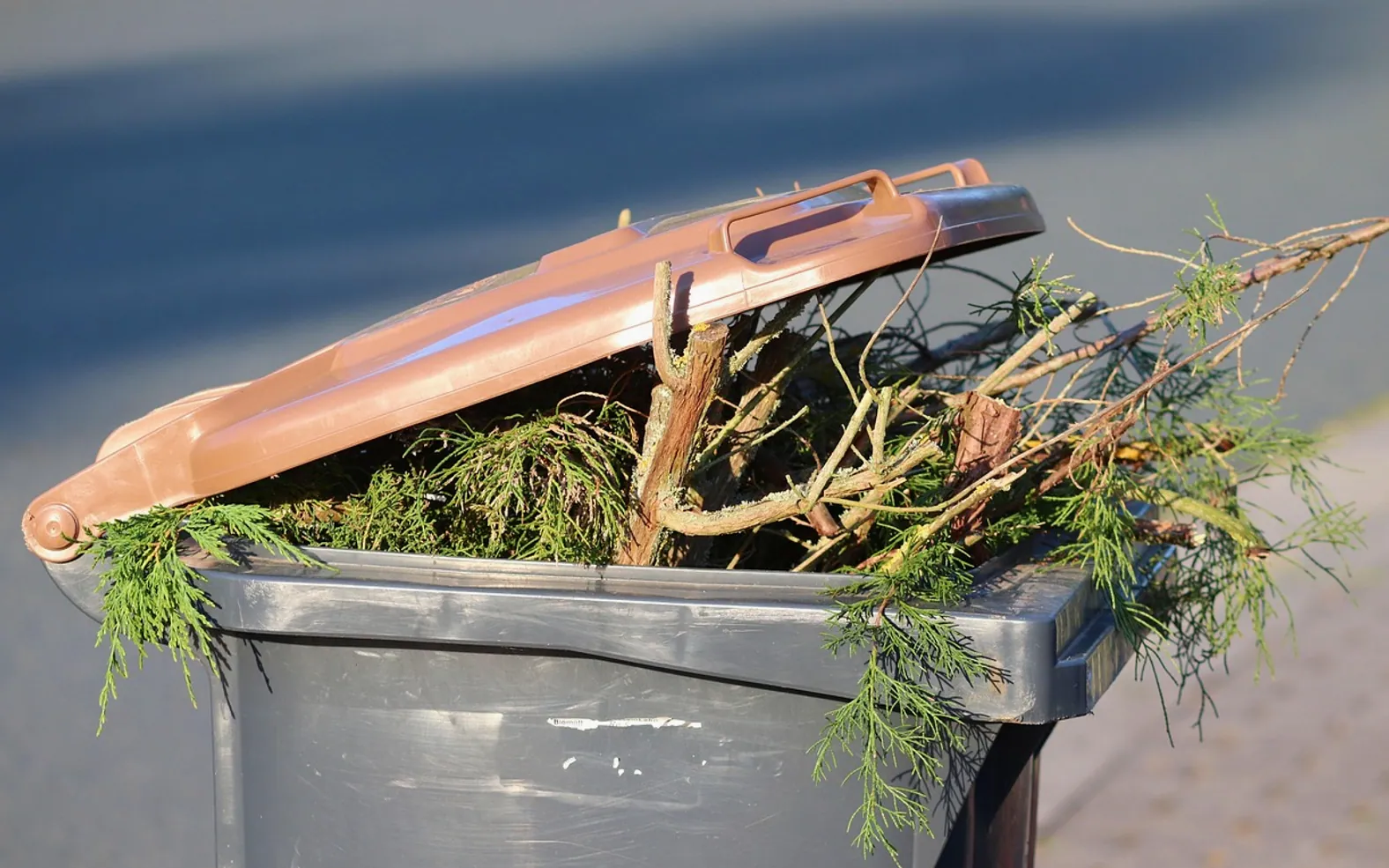
Every spring and autumn, gardens produce a mountain of material: hedge trimmings, fallen leaves, pruned branches, old plants and lawn clippings. Stuffed into household bins over several weeks, it becomes a chore. Mixed with general rubbish, it ends up somewhere it does not belong. Renting a container just for green waste is a tidy answer to both problems.
Why separate organic waste at all
Garden waste is valuable raw material. Collected cleanly, it can be shredded, composted and returned to soil as mulch or soil improver. Mixed with plastics, rubble or household rubbish, it becomes much harder to process and is more likely to be disposed of in a way that wastes its potential. Keeping it separate from the start is the single most useful step a household can take.
What usually belongs in a green waste container
- Grass and lawn cuttings
- Leaves and small twigs
- Hedge and shrub trimmings
- Branches within the size limits set by the provider
- Spent annual plants and weeds without soil clumps
Things that generally do not belong include soil and stones, treated timber, plant pots, garden furniture and any packaging. Rules differ between providers, so always check the list before loading.
Timing the hire around the seasons
Planning the rental for the busiest weekends makes a big difference. Many households book a container for a spring cut-back, when hedges and borders are tidied, and again in autumn when leaves come down and summer plants are cleared. Larger projects such as removing an old hedge or redesigning a lawn are worth scheduling for a single concentrated effort, so the container is filled once and collected promptly.
Working with a local service
Local operators know the regional recycling routes and composting facilities, and they can advise on container sizes and placement for narrow driveways or shared courtyards. Residents in the Main-Kinzig area often turn to a containerdienst Hanau for exactly this sort of job, since a nearby company can deliver at short notice and take the contents to the right processing site.
Useful questions to ask any provider:
- Which container sizes are available for garden waste specifically?
- Is a permit needed if the container stands on a public street?
- How long can it stay before collection?
- What happens if non-organic items are found in the load?
Small habits that help
Cut long branches into manageable lengths so they lie flat and leave fewer gaps. Spread wet grass among drier material to avoid a dense, soggy layer at the bottom. Keep a separate bag nearby for anything that does not qualify, such as plastic plant labels or broken tools. Some households also set aside a portion of fine material for their own compost heap, which reduces the load further.
A garden cleared this way is ready for the next season sooner, and the waste it produced has a fair chance of becoming something useful again.
Making it stick
Ways to keep seasonal jobs from piling up
Ideas for turning a long list into a habit that lasts the whole year.
Tie jobs to dates you already know
Changing the clocks or the first school week makes a handy reminder for alarms, filters and descaling.
Keep supplies in one caddy
A single box with gloves, cloths, baking soda and vinegar means no hunting before you start.
Share the list
Pin it inside a cupboard door so everyone at home can tick off a task.
Stop at two
Doing two jobs and stopping keeps the routine pleasant enough to repeat next month.
Got a topic idea?
We read every message.