Illuminating Style: The Evolution of Modern Chandeliers
· Revised · 2 min
In short: For centuries, a chandelier signalled wealth and ceremony. Candles burned in tiers of glass and metal above banquet tables and ballroom floors, and servants lowered the whole thing on chains to light…
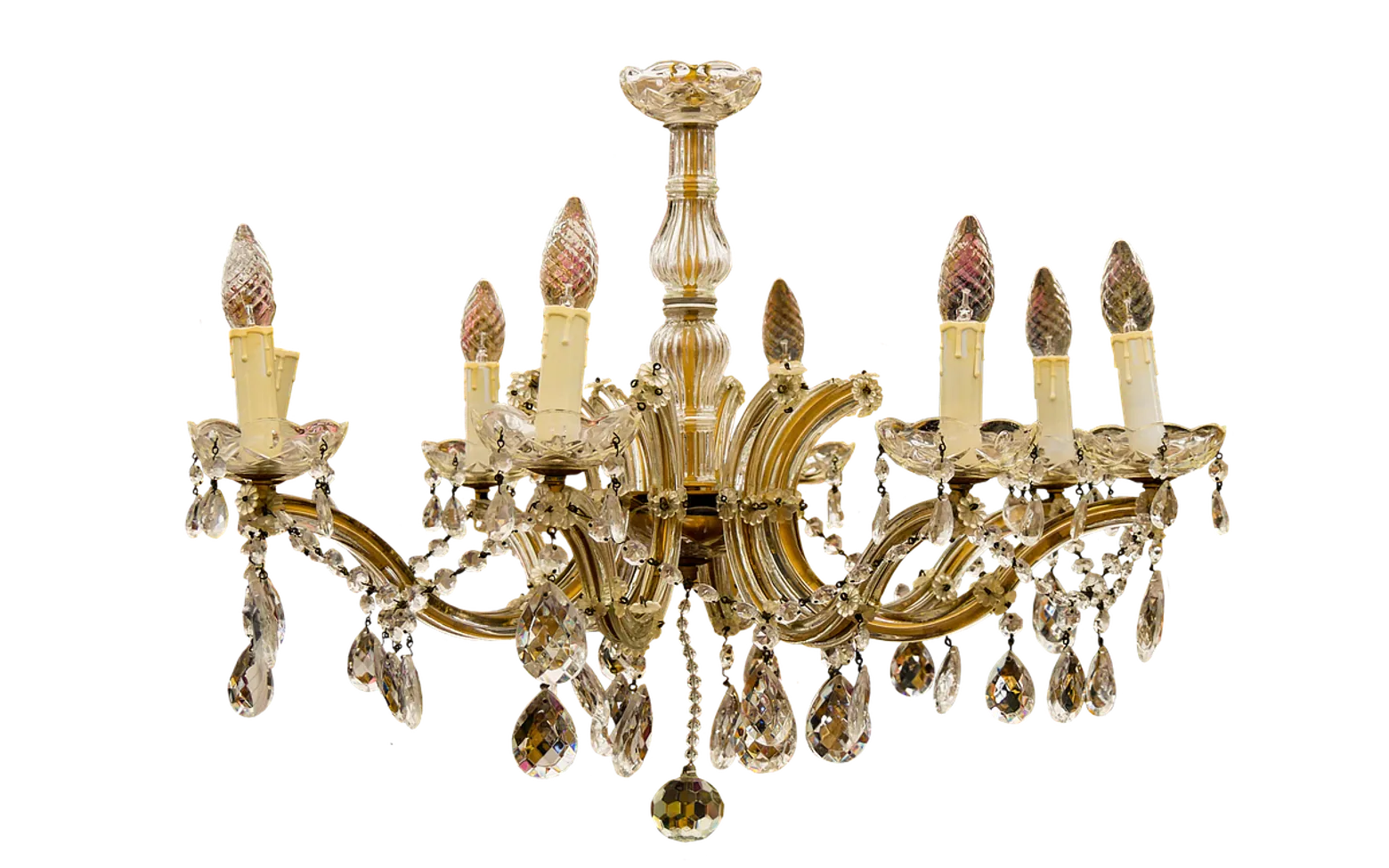
For centuries, a chandelier signalled wealth and ceremony. Candles burned in tiers of glass and metal above banquet tables and ballroom floors, and servants lowered the whole thing on chains to light and clean it. The modern version has kept the sense of occasion but lost almost everything else, including the assumption that it belongs only in grand houses.
From candle to filament to LED
The story of the chandelier follows the history of light itself. Candles gave way to gas, then to electric bulbs, and each change freed designers to try new shapes. Gas fittings needed pipes; early electric ones still copied candle arms because that was what people expected. Integrated LEDs have removed most remaining constraints. Light sources can now be tiny, cool to the touch and built straight into thin rings, rods or panels, which is why so many contemporary designs look more like sculpture than traditional lighting.
The modern vocabulary
Today's designs tend to share a few traits:
- Geometry. Circles, linear bars, stacked rings and spheres replace curling arms.
- Restrained materials. Brushed brass, matt black metal, smoked or clear glass and occasionally wood or concrete.
- Floating forms. Thin suspension cables make pieces appear to hover.
- Dimmable light. One fitting can shift from bright task light to a low evening glow.
A well-curated modern chandelier collection seus lighting shows how wide that vocabulary has become, with sleek ring designs, branch-like structures and clustered glass globes that suit very different rooms.
Choosing by room
| Room | What tends to work |
|---|---|
| Dining area | Linear or oval pieces that follow the shape of the table |
| Living room | Ring or cluster designs that spread light evenly |
| Entrance or stairwell | Tall, vertical designs that fill the height |
| Bedroom | Smaller, softer fittings with warm, dimmable light |
| Kitchen island | A long bar or several matching pendants in a row |
Getting scale and height right
Undersized fittings vanish into the ceiling, while oversized ones crowd everything beneath them. Many designers sum a room's two dimensions in feet and read the result as a starting diameter in inches, trusting their eye from there. Above a table, aim for a piece clearly narrower than the top so nobody knocks it when getting up. Leave comfortable headroom wherever people walk underneath, and choose an adjustable cable if ceiling heights are unusual.
A room's focal point, reconsidered
What has really changed is attitude. A modern chandelier can hang in a small flat, a farmhouse kitchen or a home office without feeling out of place. It still draws the eye and sets the mood, but it does so through form and light rather than sheer opulence. Choose one that suits the room's proportions, have it installed by a qualified electrician and it can anchor the space for many years.
Making it stick
Ways to keep seasonal jobs from piling up
Ideas for turning a long list into a habit that lasts the whole year.
Tie jobs to dates you already know
Changing the clocks or the first school week makes a handy reminder for alarms, filters and descaling.
Keep supplies in one caddy
A single box with gloves, cloths, baking soda and vinegar means no hunting before you start.
Share the list
Pin it inside a cupboard door so everyone at home can tick off a task.
Stop at two
Doing two jobs and stopping keeps the routine pleasant enough to repeat next month.
Got a topic idea?
We read every message.